

Most U.S. graduation dresses cost $250–$350 (premium $700+), and hidden expenses like alterations and add‑ons typically add 10–20%, so build that into your budget. Prioritize matching dress formality, length, fabric, and silhouette to the ceremony’s venue and timing to ensure comfort, proper fit, and your child’s confidence rather than chasing trends.
- Graduation Dress Shopping: What Every Family Should Know...
- Understanding Graduation Gown Styles, Lengths, and Hidden Expenses
- A Calm, Step-By-Step Guide To Selecting Your Graduation...
- The Minimalist’s Kit: What You Really Need For...
- Common Pitfalls: Graduation Dress Blunders (And How To...
- Your Graduation Dress, Your Way: Key Takeaways For...
In our new handmade Desert Stripe pattern, this very special organic linen dress features billowy, cropped sleeves, and...
$59.00
Learn MoreGraduation Dress Shopping: What Every Family Should Know About Costs & Choices
Most graduation dresses in the U.S. cost between $250 and $350. Premium options can reach $700 or more. The dress you choose isn’t just about money - it shapes how your child feels on a milestone day.
This guide will help you set a budget, understand what affects dress prices, and spot the details that matter most for comfort and confidence. You’ll see how to balance quality, fit, and style with your family’s priorities - without getting lost in trends or boutique pressure. By the end, you’ll know what’s worth spending on and what isn’t.
First, you’ll see typical dress costs and why prices vary. Then, practical ways to match style wishes with your budget, including hidden expenses and tips for stress-free shopping. If you’re thinking about formalwear for any big occasion, you’ll find gentle guidance for choosing the right dress. Every step supports your wish for a celebration that feels beautiful, calm, and true to your family.
Understanding Graduation Gown Styles, Lengths, and Hidden Expenses
Graduation dresses usually fit into two groups: formal or casual. The event's mood and location set the tone, but details like length, fit, and fabric shape both the look and how comfortable your child feels. Extra costs - alterations and add-ons - often sneak up on families, sometimes adding 10–20% to what you first budgeted.
What Makes a Dress Formal or Casual?
Formal graduation dresses feature structured shapes, smooth or lined fabrics, and simple, elegant details. A floor-length gown in a lined fabric signals formality. Contrast that with a knee-length cotton dress with relaxed lines - more casual, easier to wear outdoors or during the day. The event time and venue matter. Evening ceremonies at formal halls call for longer, more polished gowns. Daytime or outdoor graduations welcome lighter fabrics, shorter hems, and softer shapes.
Dress Lengths: Mini, Midi, and Maxi Defined
- Mini: Hem ends mid-thigh, well above the knee. Minis feel playful and suit relaxed settings. Not every family or venue will embrace this length.
- Knee-Length: Hem sits just above, at, or just below the knee. This works for nearly any event - neat, balanced, never too formal.
- Midi: Hem lands between the knee and lower calf. Midis blend comfort with a little polish. A midi that ends just below the knee can make legs look longer. If the hem stops at the widest part of the calf, it may look awkward or feel less flattering.
- Maxi: Hem falls to the ankle or skims the floor. Maxis read as formal and offer flowing coverage, especially in drapey fabrics.
The right length shapes both how the dress looks and how your child moves through the day. For more tips, see our guide to choosing a graduation dress that works under your gown.
Silhouettes and Features: How Shape Affects Comfort
Silhouette means the dress’s outline - A-line, sheath, fit-and-flare, or column. An A-line dress widens gently from the waist, making it easy to sit and stand. Sheath styles hug the body more closely. Structured designs look formal but can restrict movement. Features like sleeves, slits, or pockets add function. Sleeves give coverage but lined or fitted sleeves may feel tight in warm weather. Pockets add convenience but sometimes increase cost.
Fabric, Embellishments, and Hidden Expenses
Fabric choice affects comfort, appearance, and price. Natural fabrics - organic cotton, linen - are soft and breathable but usually cost more than synthetics. Details like beading, embroidery, or lace raise both price and care needs. Lining prevents see-through fabric and adds a finished feel, but also increases expense. What’s on display in stores may not include extras like sleeves, overskirts, or premium lining - these often cost extra. Alterations are almost always needed for a good fit and typically add 10–20% to the dress price. For a gentle introduction to fabric quality and comfort, see our fabric fundamentals resource.
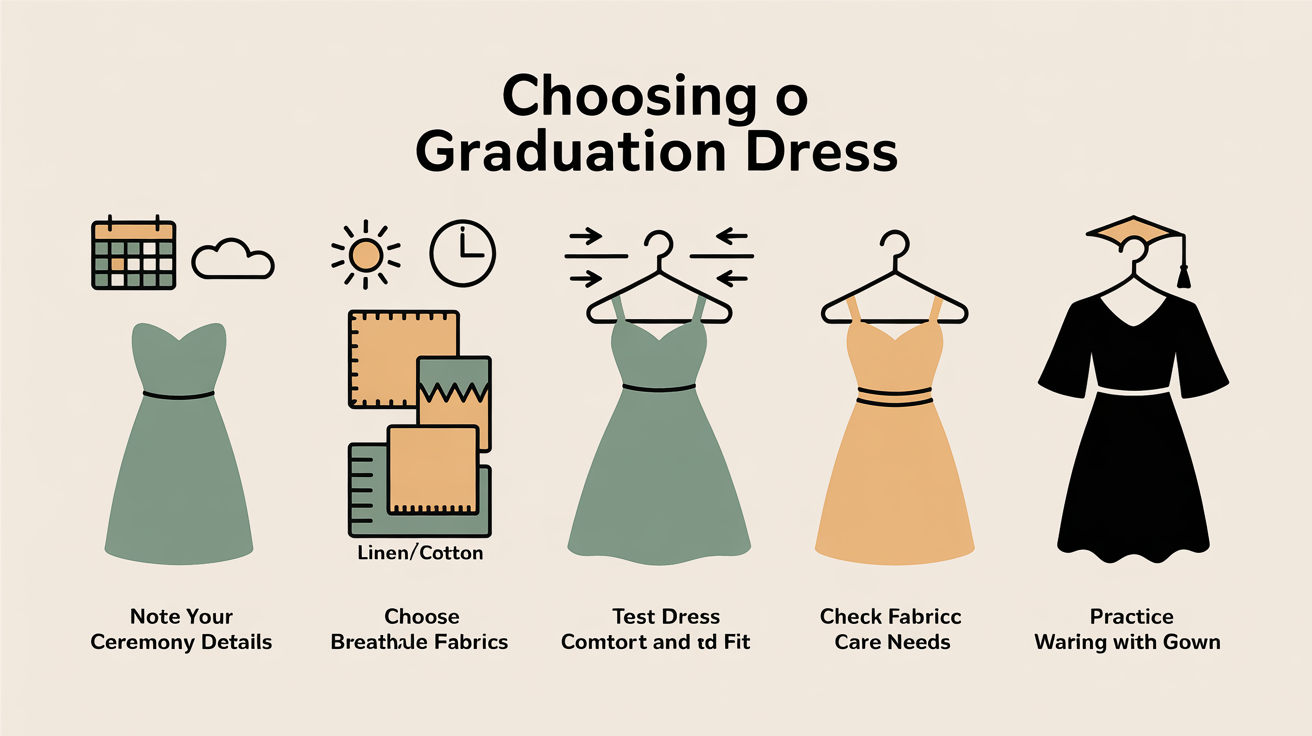
A Calm, Step-By-Step Guide To Selecting Your Graduation Dress
Take the guesswork out of your search. By moving through these steps, you’ll set a budget, filter your options, and find a dress that feels right on your skin and true to your values. Each step is simple and clear - no overwhelm, just quiet confidence in your choices.
- Set your total budget, including tailoring. Pick the maximum you can spend before you start browsing. Factor in that most alterations add 10–20% to the final cost.
Example: For a $120 dress, save $12–24 for adjustments.
Success looks like this: you’ve written your number down, so there’s no sticker shock later. Many skip this step and end up with a dress that doesn’t fit or costs more than planned. - Clarify the event’s formality and dress code. Is this a formal ceremony, semi-formal, or relaxed? Will your dress show under a gown, or is it the centerpiece? Write three words for how you want to feel - maybe “comfortable,” “joyful,” “classic.” This list keeps you grounded if opinions swirl. Done well, your options shrink by half and feel more personal.
- Pick practical fabrics and seasonal colors. Choose breathable fabrics for summer, warmer weaves for winter. Pay attention to what feels good on your skin - nothing too sheer or scratchy. Select colors that suit you and, if needed, coordinate with any graduation gown.
Success: You’ve crossed off uncomfortable or impractical materials, not just what looks pretty online. Many get stuck chasing style and forget comfort - your dress should let you move, sit, and celebrate easily. - Narrow to 2–3 silhouettes and dress lengths. Try midi, knee-length, or maxi at home. Use a towel or scarf in front of a mirror to test hem lengths - see which line flatters and feels best. Unsure? Bring a friend or family member for a second opinion.
When you finish, you’ll have a shortlist of shapes and lengths that feel like you - not just what trends suggest. - Take accurate body measurements. Measure your bust, waist, hips, and hemline using a soft tape. Wear the same undergarments you’ll use for graduation. Jot measurements down or save to your phone.
If you’re unsure, follow a gentle measuring guide. When done, you can compare sizes with confidence and avoid surprises when your dress arrives. - Schedule a fitting or try-on - move, sit, and walk. Don’t just stand still. Sit, lift your arms, walk around. Notice if the dress stays in place and allows movement. Ask yourself, “Do I feel like myself?” If anything feels off - tight, itchy, or fussy - note it. Success: you leave knowing what fits well, what needs altering, or if you should keep looking.
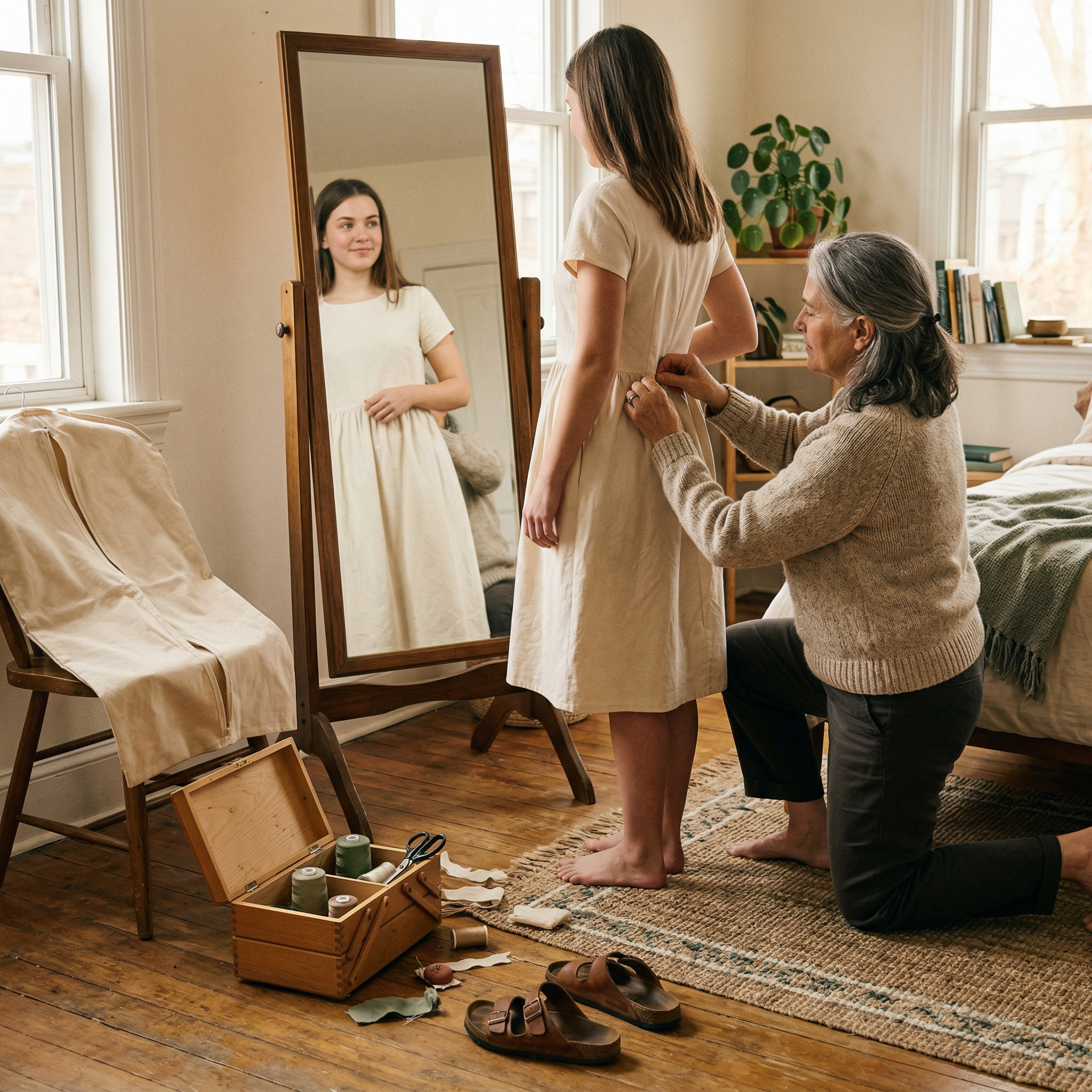
- Request alterations for a custom fit. Simple changes - hemming, taking in a waist, adjusting straps - can change everything. Even affordable dresses look special with the right tailoring. Many beginners wait too long and miss the window for alterations. Book early and check your timeline against the event date.
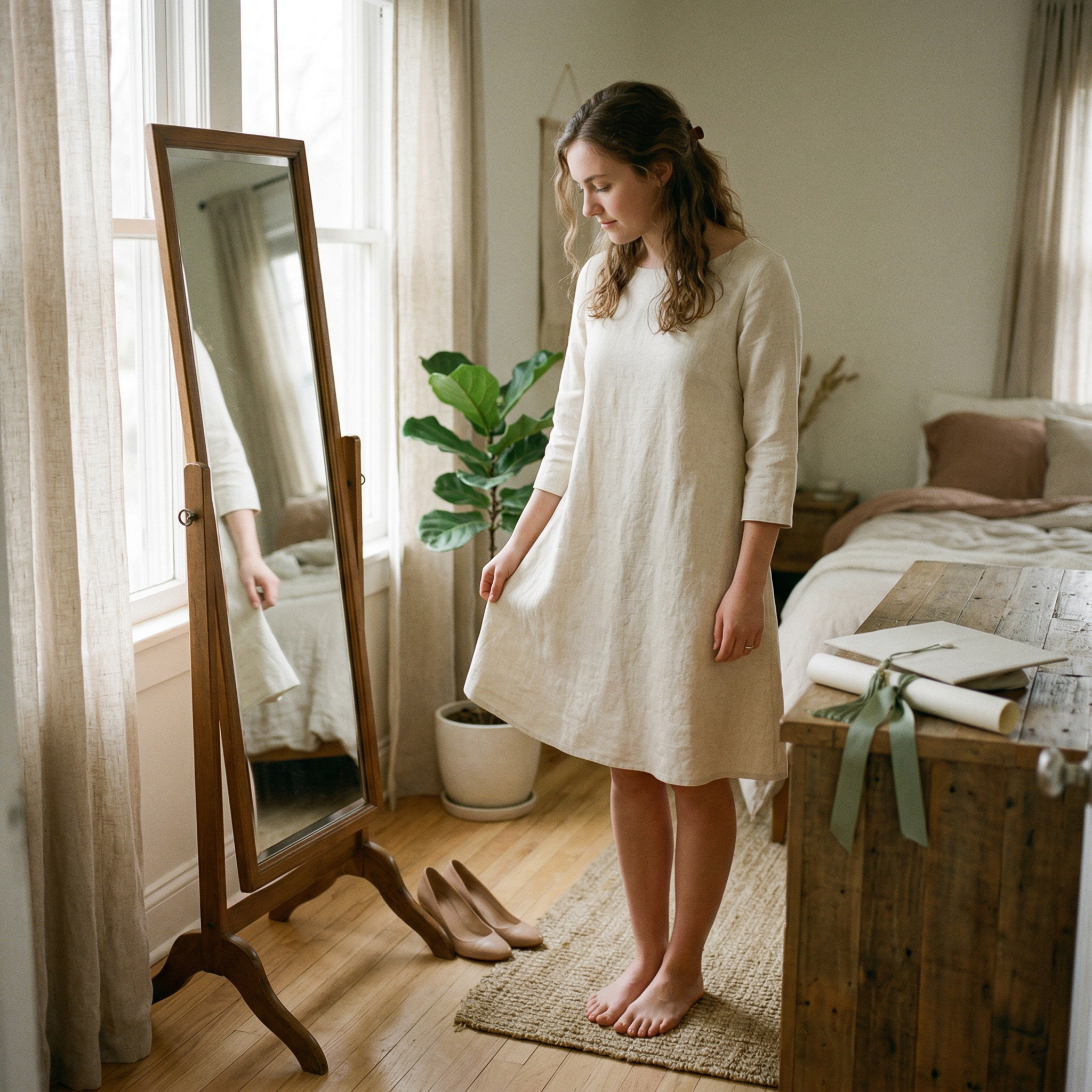
When you finish, pause and check in with yourself or your child: Does this dress feel comfortable and honest to your style? Next steps: choose accessories, coordinate shoes and outerwear, and take a few photos at home to see how the outfit moves. If you’d like extra reassurance, explore more tips on dressing your best for special events.
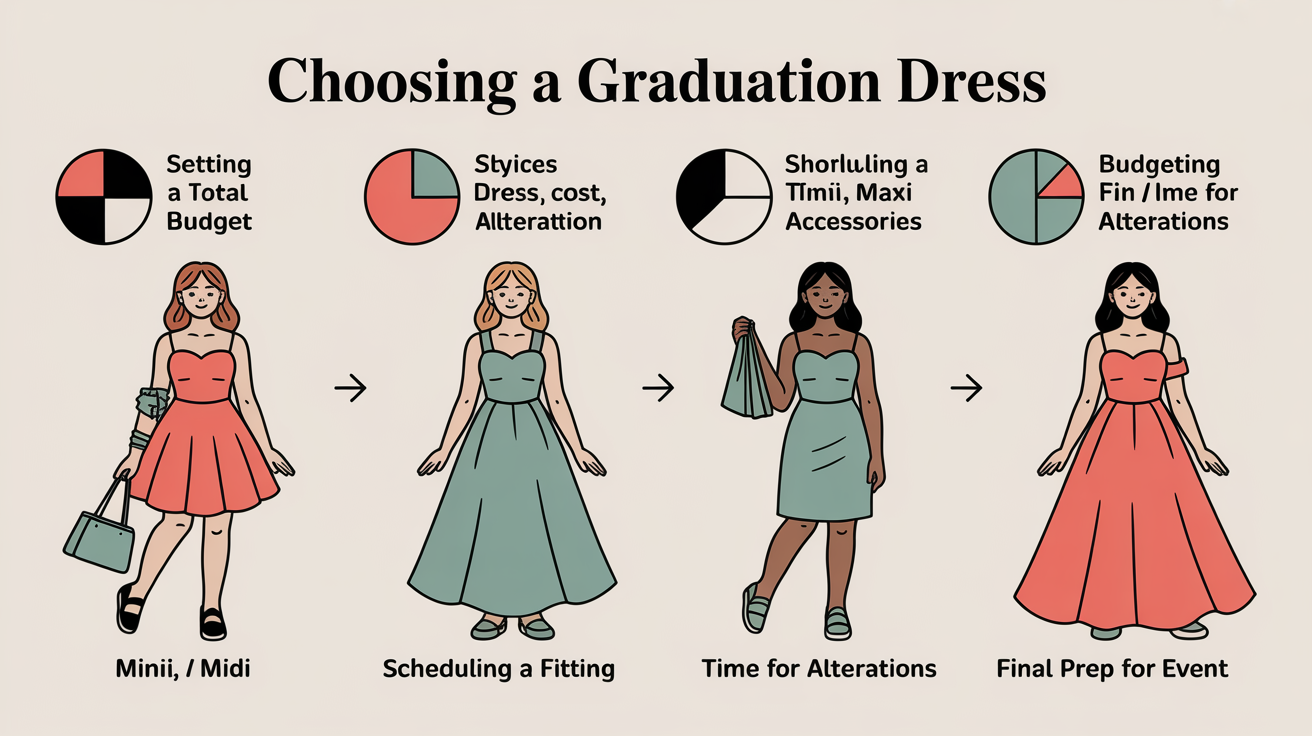
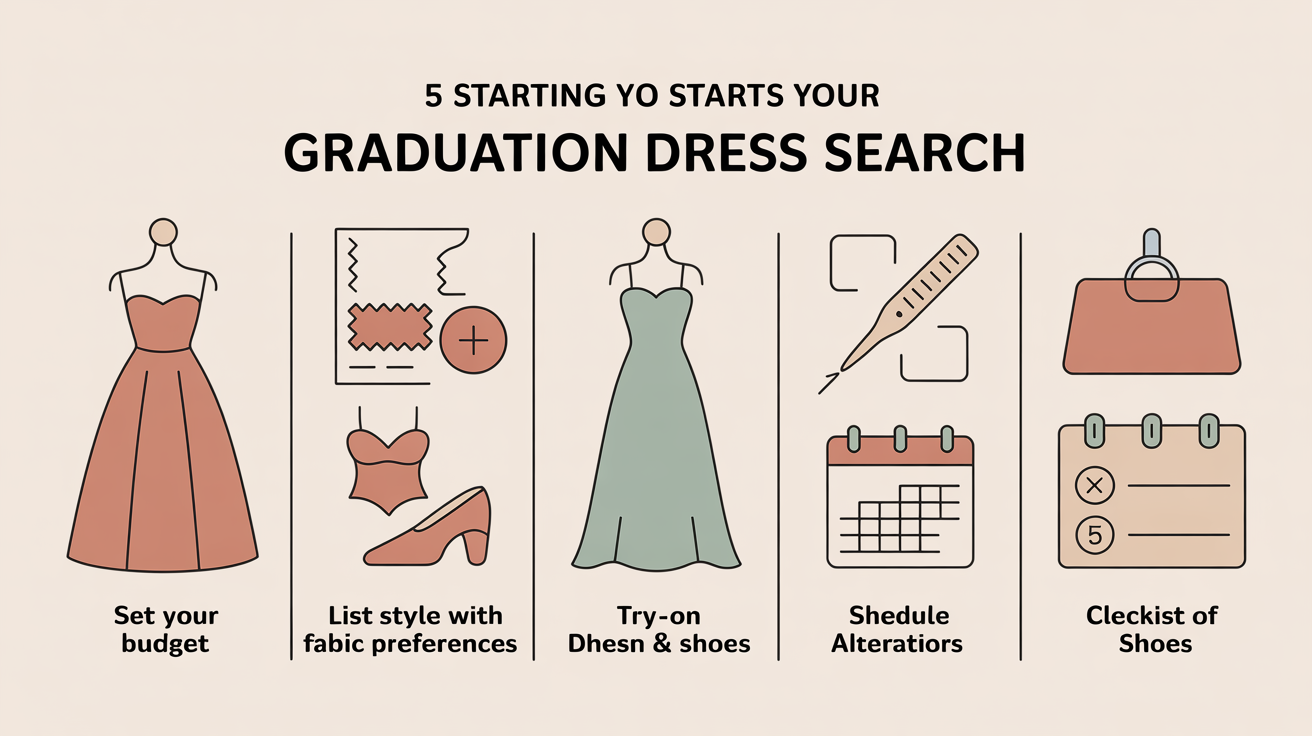
The Minimalist’s Kit: What You Really Need For Graduation Dress Success
Start with a supportive, well-fitting undergarment. This is your foundation - for comfort, confidence, and a smooth silhouette. Nothing fancy required. After that, only a few essentials matter. Keep it calm, keep it simple.
1. Supportive Undergarments
Undergarments shape how your dress feels and fits. Choose a bra or slip that disappears under your dress - no visible lines, no shifting straps. For strapless or backless dresses, look at adhesive options or smooth shapewear. Unsure what works? Begin with the basics in the complete bra fit guide. Some dresses have their own built-in structure, but always try everything on together before the event.
2. Trusted Alterations
A skilled tailor or seamstress makes any dress feel custom. Most off-the-rack dresses need a tweak - a hem, a nip at the waist, shorter straps. Look for someone who listens and respects your comfort. If a professional isn’t an option, a family member with basic sewing skills can adjust straps or shorten a skirt. Give yourself at least a week or two for any changes - don’t wait until the last minute.
3. Breathable Dress Storage
Store your dress in a fabric garment bag. Skip plastic - fabric lets air flow, keeps moisture and odors away. Traveling or storing it for a while? This matters more. No garment bag? Wrap your dress in a clean cotton sheet or pillowcase. For longer-term care, see fabric care by material.
4. Comfortable, Event-Appropriate Shoes
Shoes shape the day. You’ll be on your feet for hours - choose comfort over height. A low heel or classic flat keeps you present. If you want options, tuck soft backup shoes in your bag. Break your shoes in at home first.
5. Simple, Practical Bag
A small clutch or wristlet holds what you need - phone, tissues, comb, lipstick. No bulk, no fuss. If you prefer hands-free, a slim crossbody works and stays secure as you move.
- Choosing undergarments:
- Check neckline, back, and sleeves - nothing should peek out
- Match color to your dress or skin for invisibility
- Pick smooth edges to avoid lines in photos
- Wear your undergarments to every fitting
- If unsure, choose comfort over tightness
Start with less. Preparation feels lighter, calmer. Just a few thoughtful tools, chosen with care, will be enough for you and your family on this special day.
Common Pitfalls: Graduation Dress Blunders (And How To Avoid Them With Ease)
One of the most frequent beginner mistakes? Underestimating the cost and effort it takes for a graduation dress to fit comfortably. It’s easy to focus on the look, but families often forget just how much tailoring might be needed. Sometimes, the dress looks beautiful but feels nothing like your child. These oversights can cloud what should be a joyful day.
Overlooking Alteration Costs
Many families set a dress budget that only covers the price tag, skipping over the need for adjustments. Most gowns need at least a hem or a strap tweak. These changes usually add 10–20% or more to your total cost. The extra expense and time can sneak up right before the big day, leading to last-minute stress or a dress that doesn’t quite fit.
Plan for tailoring from the beginning. Set aside a buffer in your budget for alterations. Ask about timelines and costs before you buy. Try on the dress with the undergarments and shoes you’ll wear - this flags any hidden issues early.
Prioritizing Appearance Over Comfort
The dress looks perfect in photos, but after an hour, it pinches, scratches, or restricts movement. Fabrics that seem elegant can turn stifling under bright lights or irritate sensitive skin. It’s a common mistake to misjudge what your child will tolerate over a long event.
Start with comfort. Choose soft, breathable fabrics. Have your child wear the dress for at least five minutes - sit, stand, stretch. If it feels rough or too tight, keep searching. For guidance on materials, see how to identify quality fabrics when shopping online.
Over-Accessorizing or Adding Excess Layers
Another pitfall: piling on bold jewelry, scarves, or extra layers that steal focus from the dress and feel awkward in photos. Many families try to make the outfit feel “special enough” this way, but too many extras just add clutter and discomfort.
Keep accessories simple and purposeful. Choose one or two pieces that gently enhance - like a delicate necklace or small clutch. Snap a photo of the full look before the event. Remove anything that feels unnecessary. The simplest approach often feels best.
Forgetting to Plan for Storage and Cleaning
After the ceremony, some families don’t plan for what’s next. Storing a dress in plastic traps odors and causes wrinkles. Skipping a gentle clean sets stains for good. Months of anticipation can end with a faded, misshapen dress due to rushed care.
Have a breathable garment bag ready before the event. Decide on a gentle hand wash or professional cleaning soon after. If you’re unsure which is safest, see fabric care by material for clear steps.
Your Graduation Dress, Your Way: Key Takeaways For A Confident Choice
Pause before you decide. Trust how you feel - if a dress doesn’t spark comfort or excitement, move on. Wait for the one that feels like you, inside and out. That’s the feeling to hold out for .
Start with the basics: check your school’s dress code, set a budget, and gather style ideas that fit your taste and comfort . Try on different silhouettes, fabrics, and lengths. Notice what feels good on your body. Skip trends that don’t feel right to you.
You’re creating memories, not just picking a dress. Take it slow. Celebrate each step - no rush. If you want to simplify future special occasion dressing, our capsule wardrobe guide can help you find thoughtful, versatile options.
In our new handmade Desert Stripe pattern, this very special organic linen dress features billowy, cropped sleeves, and...
$59.00
Learn MoreFrequently Asked Questions
Can I wear my graduation dress for other occasions?
Yes. Knee‑length colorful, white, or floral graduation dresses are versatile for celebratory lunches, family gatherings, baptisms, bar mitzvahs, Easter services, and many semi‑formal events, while satin, chiffon, velvet or sequin short dresses can work well for parties, homecoming, or rehearsal dinners. Avoid wearing an evening‑gown–level dress to casual daytime events, and skip white or ivory at someone else’s wedding unless the host says it’s fine. If you’re the graduate, don’t pick something you’ll regret in dozens of graduation photos.
Is it worth paying more for organic linen or cotton for my graduation dress?
Yes - paying more for certified organic linen or cotton is generally worth it for a graduation dress if you want better breathability, longevity, and lower chemical exposure. Linen uses far less water and pesticides than cotton and keeps you cooler with a crisp drape that softens and lasts with wear, while organic cotton is very soft from first wear and gets softer over time; look for GOTS or OEKO‑TEX certification (GOTS requires ≥95% organic fiber and strict chemical/labor standards) to avoid greenwashing. If budget is the priority, high‑quality conventional fabric or remnants can still look great, but for an heirloom piece or sensitive skin the higher upfront cost usually pays off in comfort and cost‑per‑wear.
How do I prevent my dress from wrinkling on graduation day?
Pick a wrinkle‑resistant fabric (polyester, polyester blends, knits or wool blends) rather than linen, cotton, silk or organza, which crease easily. Transport the dress on a padded hanger inside a breathable garment bag (if you must pack it, roll it with acid‑free tissue between folds or lay it flat in a hard suitcase) and hang it as soon as you arrive. Smooth remaining creases with a handheld steamer or by hanging in a hot steamy bathroom for 10–15 minutes (or use a low‑heat iron with a press cloth), and bring a travel steamer or wrinkle‑release spray as backup.
How far in advance should I order my graduation dress to allow for shipping, returns, and alterations?
Order at least 6–8 weeks before graduation for ready-to-wear dresses, and 3–6 months for made-to-order or designer gowns. Typical timelines to include are 3–14 days for standard shipping, 7–14 days to return and exchange (including processing), and 1–3 weeks for alterations (simple hemming ~1 week, major tailoring 2–3+ weeks), so build a 1–2 week safety buffer. If you’re short on time, buy local for same-day pickup or pay for expedited shipping and rush alterations (expect extra fees).
What shoes are best for walking up to receive a diploma and standing through a long graduation ceremony?
Choose a low, stable shoe - a 1–2 inch block heel or wedge pump, or a supportive flat with built-in arch support - for the best combination of comfort and formality. Pick a closed-toe or secure‑strap style with a non‑slip sole and padded insole (add gel inserts like Dr. Scholl’s and heel grips, and use moleskin on potential rub points) and avoid stilettos or brand‑new shoes. Break them in before the ceremony and stick to neutral leather or suede for a polished look that won’t draw attention on stage.
What undergarments or shapewear work best under a graduation dress and still fit comfortably under a gown?
Seamless nude underwear (thong or brief) paired with a strapless/convertible or adhesive bra (or bra cups for backless styles) plus a light-to-medium control high‑waist shaping short or smoothing bodysuit/half‑slip work best under a graduation dress and still fit comfortably under a gown. Choose breathable, seamless fabrics in a skin‑tone color and avoid firm, full‑compression pieces - light/medium control gives smoothing without becoming uncomfortable after an hour or two. Always try the full outfit (sit, walk, zip, and practice using the restroom); a bodysuit with a snap crotch or separate shaping shorts makes bathroom breaks easier.
How can I prevent and quickly treat common stains (grass, sunscreen, sweat) if my graduation is outdoors?
Wear darker/patterned or moisture‑wicking layers with an undershirt, apply antiperspirant the night before and let sunscreen fully absorb (or use a non‑greasy formula) to prevent stains. For fresh sunscreen or sweat (both oil‑based): blot off excess, apply dish soap (Dawn) or liquid laundry detergent to cut grease, rub gently, rinse with cold water and launder; for grass: scrape debris, pretreat with an enzyme‑based stain remover or liquid detergent (or a dab of rubbing alcohol/hand sanitizer on stubborn green pigment), then wash. Never machine‑dry until the stain is gone (heat sets stains); bring a small kit (stain stick, travel dish soap or detergent, wet wipes, paper towels) for quick on‑site treatment.
Luis Gamardo built a modern job search framework for a broken recruiting system. His approach teaches how to send cold emails at every stage of the hiring process, so qualified candidates can get noticed by the right people at the right time - including before jobs are even posted.