

Nearly 30% of online clothing returns result from fabric quality that doesn't match photos or marketing, costing time, money, fuel, packaging, and creating waste. Most important takeaway: avoid vague buzzwords and "organic blend" claims by checking fiber content, GSM for fabric weight, and third-party certifications like GOTS and OEKO‑TEX to ensure durability, skin safety, and genuine sustainability.
- Why Online Fabric Quality Matters: The True Cost...
- Decoding Fabric Terminology: Weights, Weaves, and Certifications Explained
- Step-by-Step: How to Evaluate Fabric Quality Before You...
- Common Mistakes When Shopping for Fabric Online—And Simple...
- Trusted Tools and Resources for Confident Online Fabric...
- Your Calm, Confident Path to Quality Fabrics Online
Why Online Fabric Quality Matters: The True Cost of Getting It Wrong
Nearly 30% of online clothing returns happen because fabric quality doesn’t match what was promised. That’s hours lost to packing, shipping, and waiting for refunds. Every return means more fuel burned, more packaging, and more waste - none of it gentle on your wallet or the planet.
Shopping for soft, lasting clothes online means trusting your eyes, not your hands. You want each piece to feel good against your child’s skin. Or yours. But screens can mislead. Photos flatter. Buzzwords distract. Tempting sales? Sometimes they hide scratchy fabrics or blends that won’t last a season.
Some brands use “organic” or “eco-friendly” loosely, especially during sales. Vague labels, old stock, and uncertified blends slip through. But a few careful habits change everything. Look for third-party certifications like GOTS - real protection for sensitive skin. Read the fiber content closely. Skip “organic blend” if the label doesn’t show a high percentage of natural fibers. By learning these basics, you’ll bring home clothes that last, wash after wash, and keep your family comfortable. If you want to buy with confidence, start with these fabric fundamentals or see the eight fabrics every wardrobe should have.
Decoding Fabric Terminology: Weights, Weaves, and Certifications Explained
Fabric labels are full of terms - GSM, organic, breathable - that shape what touches your child's skin. Some are regulated, others just marketing. GSM (grams per square meter) tells you how dense and sturdy a fabric feels. Certifications like GOTS signal higher standards for both skin safety and planet care. Knowing these basics protects your family from empty claims that don’t match your values.
GSM measures fabric density. This number affects how a garment feels and performs - softness, drape, and the seasons it suits. A lightweight linen shirt might sit between 120 and 170 GSM, loose and airy. Heavy canvas reaches 300 GSM or more, better for cooler days. Fiber content - such as “100% linen” or “70% organic cotton, 30% polyester” - shows how natural or synthetic the fabric is. Blends offer stretch or fewer wrinkles. Pure linen or cotton feels gentle on sensitive skin and is simpler to recycle or compost. See more about these basics in what is fabric: a complete breakdown.
Third-party certifications help you avoid greenwashing. GOTS (Global Organic Textile Standard) is the most comprehensive: it checks every step, from farm to finished fabric, for organic integrity, worker safety, and chemical controls. OEKO-TEX® Standard 100 focuses on the final fabric, confirming no unsafe chemical residues remain, but doesn’t track farming or processing methods. Terms like “organic” or “eco-friendly” alone aren’t regulated in most countries. Look for certification logos to avoid hidden plastics or chemicals. Read more about these differences in linen versus cotton for slow wardrobes.
- Know which fibers and blends you trust (such as 100% linen or GOTS-certified organic cotton)
- Spot unregulated buzzwords - “sustainable,” “eco-friendly,” “breathable” - and understand what they don’t promise
- Recognize leading certifications (GOTS, OEKO-TEX®) and their scope
- Understand GSM ranges for what you need: light for summer, heavier for layering
- Read labels and descriptions with care, so you recognize genuine quality
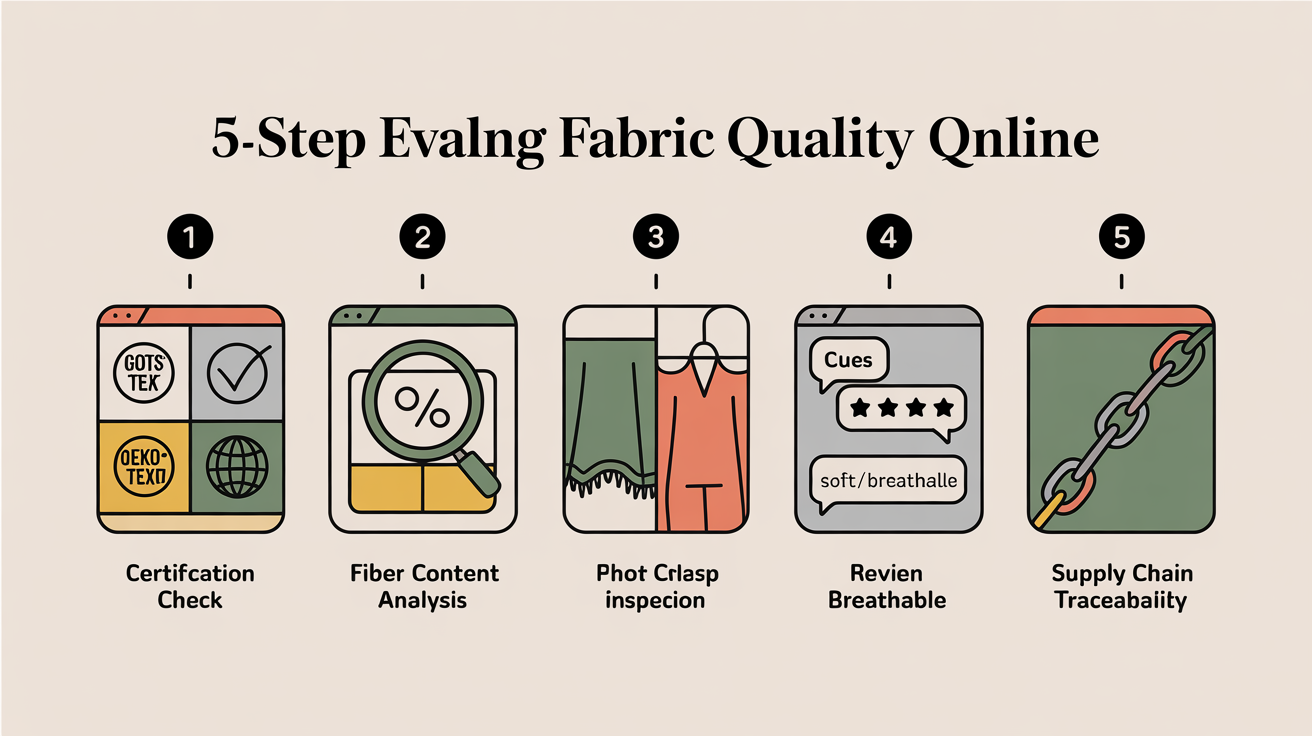
Step-by-Step: How to Evaluate Fabric Quality Before You Buy Online
You can assess fabric quality online - no need to feel the garment in person. Each step below helps you see past polished photos, read between the lines of material disclosures, spot red flags in reviews, and choose what feels best for your family.
-
Examine Close-Up Product Photos for Weave, Drape, and Texture
Seek out images that show the fabric up close. Linen and cotton display gentle slubs and small irregularities. The finish is often matte or softly luminous - not plastic-smooth. Synthetic blends tend to look uniform and may have a strong, almost glassy sheen. Watch for colors that look overly bright or flat; that can mean polyester or heavy photo editing.
- If the garment looks stiff on the model, expect structure or rigidity.
- Soft, relaxed folds signal good drape - what you want in a linen shirt or summer dress.
-
Read the Full Fabric Composition and Weight (GSM/oz)
Look for specific fiber content - “100% linen” or “100% organic cotton” is clear. Blends like “70% linen, 30% cotton” change the feel and breathability. Check for GSM (grams per square meter) or ounces; this tells you the weight and helps match fabric to season.
- For summer: 120–170 GSM (linen or cotton), loose weave.
- For structure or layering: 200+ GSM.
- No weight listed? Ask customer service for exact numbers.
-
Verify Certifications for Safety and Environmental Standards
Look for third-party badges - GOTS or OEKO-TEX® - in photos or descriptions. GOTS numbers are searchable in public databases. If you care about sensitive skin or want non-toxic options, always check the certification.
- No certification listed? The fabric may not be organic or verified non-toxic.
- Skip vague claims like “eco-friendly.” Look for real standards.
-
Compare Color and Texture Across Multiple Photos and Devices
Colors shift between screens and lighting. Review every product image - flat lays, modeled shots, close-ups.
- Wildly different colors from photo to photo? Likely heavy editing or unclear representation.
- Textured fabric should look consistent in every image. If weave clarity changes, ask for better photos.
-
Scrutinize Customer Reviews for Handfeel, Odor, and Longevity
Look for real-life comments on softness, breathability, and wash performance. Patterns matter: repeated notes on roughness, stiffness, shine, or chemical odors are warnings.
- Multiple mentions of shrinkage or fabric pulling point to loose or weak weaves.
- Reviews describing fabric softening with use? That’s common with quality linen and cotton.
-
Ask Customer Service Specific Questions Before Purchasing
If details feel sparse, reach out. Ask about GSM, country of origin, dye method, or if the fabric is pre-washed. These specifics matter.
- Vague or generic answers? Move on. Knowledgeable shops know their fabric details.
-
Cross-Check Size and Fit Guidance
Fabric quality affects drape and fit. Use a measuring tape and compare your numbers to the size chart. For help, follow steps on measuring yourself for online clothing orders.
- If reviews mention sizing runs large or small, take note. Natural fibers can relax with wear; synthetics stay firm.
Taking a few extra minutes to check these details helps you choose better fabric for your family. For more on how fibers, weaves, and finishes shape comfort and longevity, see these fabric fundamentals for practical tips.
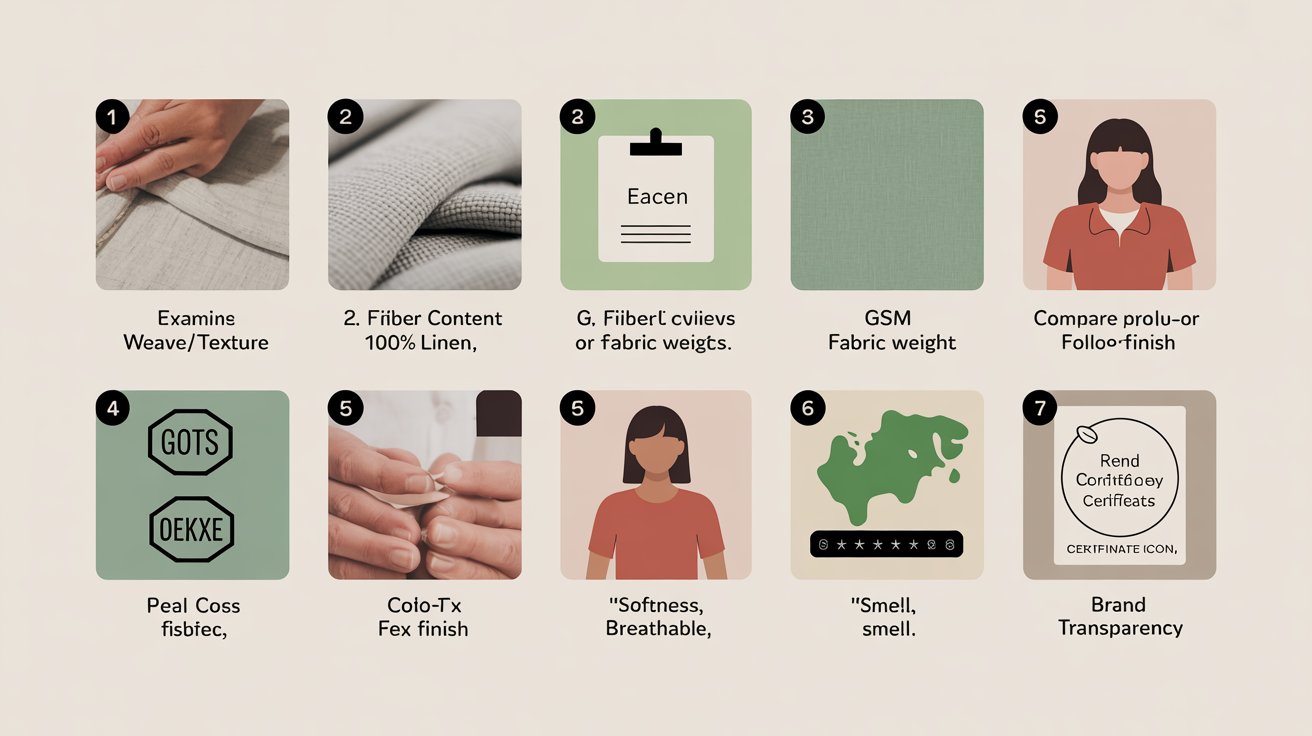
Common Mistakes When Shopping for Fabric Online - And Simple Ways to Avoid Them
The biggest pitfall? Trusting a glossy photo or label without asking questions. Many families wind up with fabric that's scratchy, thin, or coated in chemicals - irritating for sensitive skin and quick to fade. The wasted effort stings more than the price: disappointment, laundry hassle, and unworn clothes pushed to the back of the drawer.
Trusting Buzzwords Like ‘Organic’ or ‘Eco’ Without Real Evidence
Words like “organic,” “eco-friendly,” and “sustainable” feel reassuring. Yet research finds nearly 40% of these claims are false or misleading, especially from brands mixing in synthetics or skipping true standards behind the scenes . Marketing loves a green label, but that doesn’t mean safety or quality.
- Always check for actual certification numbers or logos - GOTS, OEKO-TEX, or Fair Trade . These mean something; empty buzzwords do not.
- If proof isn’t visible, ask for a certificate. Reputable sellers share this without hesitation.
- Steer clear of brands dodging questions about fiber content or sourcing. Evasion signals trouble.
Overlooking Fabric Weight or GSM (Grams per Square Meter)
Fabric weight matters. Two “linen” shirts can feel worlds apart - one breezy and sheer, the other heavy and stiff. If a listing skips GSM or fabric weight, you’re left guessing about drape, softness, and longevity. A shirt that’s too light turns see-through after a few washes; too thick, and it never softens.
Look for GSM details - ideally 150–220gsm for everyday shirts . Compare to T-shirts or bedding at home. No GSM? Better to keep looking. Knowing this number gives you a tactile sense of what will arrive.
Skipping Customer Reviews - Missing Clues on Feel and Durability
Product images rarely show how fabric behaves after a few washes. Reviews do. Parents mention roughness, shrinking, pilling, or odd odors - details you won’t find in the product copy. Patterns in feedback hint at real-life wear, not just showroom perfection.
Scan reviews for comments on softness, fit after washing, and fabric changes. Repeated complaints about shrinkage or chemical smells should push pause. Consistent praise for comfort and longevity? That’s a safer sign for your little one’s skin.
Ignoring the Returns Policy - Getting Stuck With Unwearable Clothes
Many shoppers skip the fine print on returns. But a restrictive or “final sale” policy often signals lower-quality batches brands want gone. If you can’t return or exchange, you’re left with clothes that don’t fit or feel wrong - waste that lingers in the closet or ends up in the landfill.
Before you buy, check the shop’s return policy - especially for new-to-you fabrics or fits. Choose sellers who accept returns on unworn, unwashed items and explain the process clearly. A transparent policy protects your investment and lets every piece earn its place.
Trusted Tools and Resources for Confident Online Fabric Shopping
The right tools for online fabric shopping help you confirm origin, fiber safety, and true sensory quality - so you know exactly what touches your child’s skin. Prioritize resources that verify certifications, let you check fabric weight, and give a sense of real-life texture and color before you buy.
Certification Checkers and Transparency Databases
Third-party certifications offer a first safeguard against hidden synthetics and harsh treatments. Use official GOTS and OEKO-TEX databases to look up a brand or supplier. These registries show if a product’s eco or safety claims are actually audited. Always compare the seller’s certificate number with the public record - logos alone aren’t proof.
With smaller sellers or international shops, request compliance documents directly. If you sew for sensitive skin or need EU compliance, full traceability matters. You should be able to access details about supply chain, dye processes, and labor standards. Brands that share fiber origins, processing steps, and certifying bodies provide far more trust than those relying on vague “organic” claims.
Visual Tools and Real-World Color Assessment
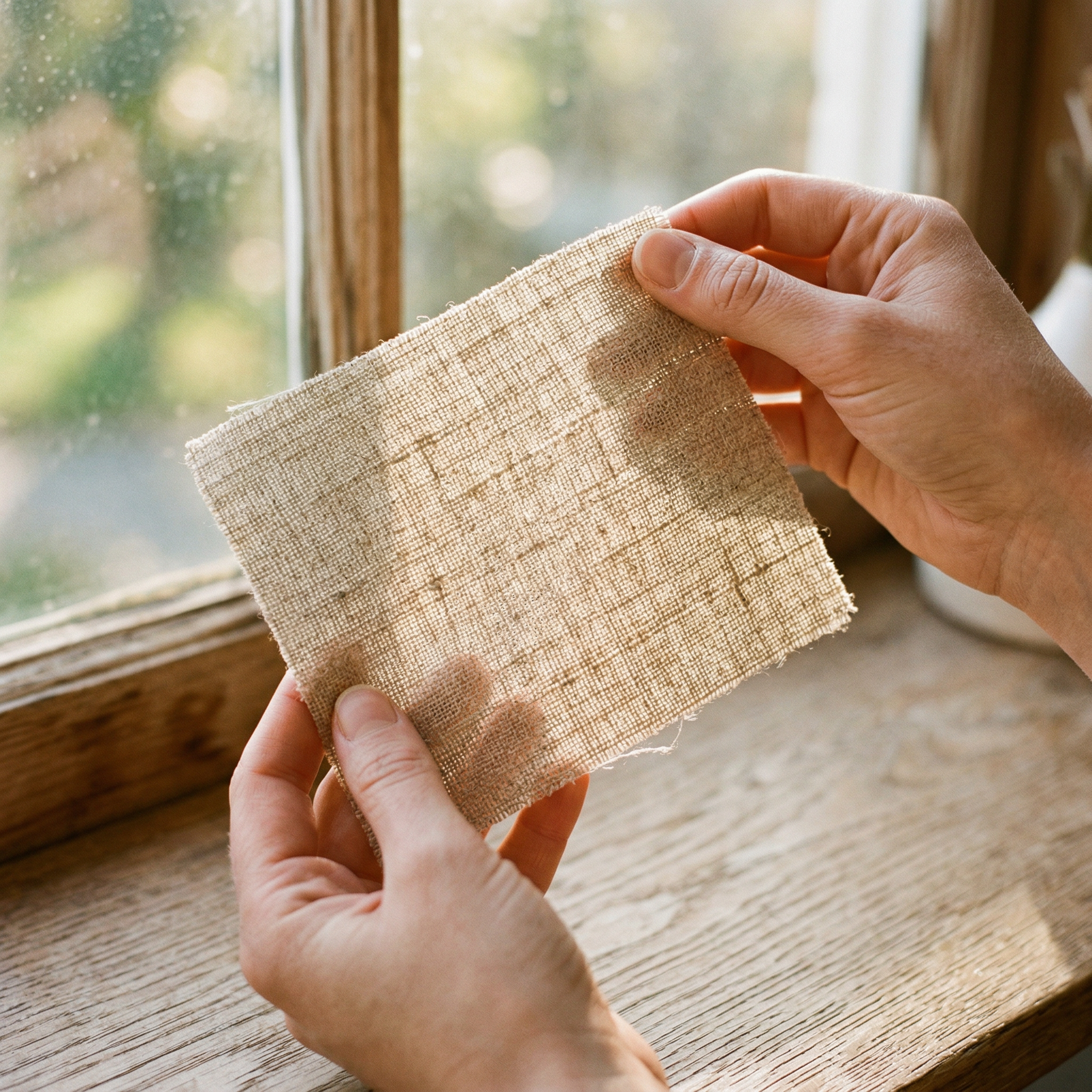
High-resolution zoom lets you inspect weave and texture - essential for telling crisp linen from soft cotton or blends. Compare close-up fabric images in natural light to judge sheen, transparency, or slub texture. For matching family looks, color comparison tools help; check swatch charts against your screen to avoid surprises.
Photos from real users and unfiltered reviews bring you closer to how fabric behaves after washing or in different light. Look for images showing wear over time. Q&A threads on reputable sites often show truths about shrinkage, hand-feel, or fit - small details most listings skip. For deeper insight, see how slow wardrobe projects document fabric changes with use.
Requesting Swatches and Samples
Order fabric swatches before committing to yardage whenever possible. Touching and washing a sample at home gives you real confidence in drape, comfort, and colorfastness. Swatches matter most for large projects or group outfits, where batch consistency can make or break the result. If a supplier won’t provide a sample, pause - most reputable, family-safe sellers offer this, sometimes for a small fee.
- Wash and dry your swatch to test for shrinkage or color loss
- Check hand-feel after washing - true comfort shows up here
- Compare your swatch with garments at home for weight and drape
Need help with fabric care once your order arrives? Our fabric care by material tips make it easy to keep natural fibers soft and long-lasting.
Trusted Sellers for Thoughtful, Slow Wardrobe Building
Pick sellers who list full fabric details - fiber origin, GSM, care instructions, and real certification numbers for every item. Seek out customer reviews that mention softness and transparency. If descriptions feel vague or batch consistency varies, keep searching. Minimalist boutiques and specialty eco fiber shops work well for rare blends or heirloom quality. Ethical bulk suppliers are best for group projects needing reliable lots.
The Simple Folk builds every piece on verifiable transparency. For each item - even our signature linen shirt - you’ll see the exact fiber origin, processing steps, GSM, and clear care instructions. This openness is rare. It removes much of the guesswork and supports gentle, confident choices for your family and the planet.

Your Calm, Confident Path to Quality Fabrics Online
You know what matters: safe, comfortable fabric for your family, free from guesswork. Slow down, check the details, trust your senses. Look for clear certification - GOTS, OEKO-TEX. Read reviews about how things wear over time. Each mindful step - verifying sources, ordering swatches, handling fabrics yourself - cuts through the noise and brings more ease into your home.
The habits that matter most are simple. Read fabric content line by line. Seek out real certifications, not just buzzwords. Reviews that mention comfort after washing - those are gold. If you can, order a few swatches. Touch and wash them at home. Build your child’s closet around a few versatile, durable pieces. Adjust as the seasons change, keep what works, let go of what doesn’t. For practical help, see our tips on seasonal wardrobe transitions or how to focus on dressing your best with fewer, better basics.
At The Simple Folk, transparency runs deep. Each piece begins with softly luxurious materials, sourced and traced all the way back. Maybe you’re searching for the lightness of linen or a capsule that endures years of play - each garment puts your family’s comfort and values first, quietly and honestly.
The ultimate day to night, transitional summer shirt. From beach to dinner, our relaxed-fit button down-shirt has wide s...
$170.00
Learn MoreFrequently Asked Questions
What should I do if the fabric I ordered online doesn't match the description?
Document the problem with clear photos (include a ruler/coin for scale), note exact differences in color, weight or fiber content, and keep the original packaging. Contact the seller or marketplace immediately with your order number and the photos, request a refund or exchange under their return policy (most sellers accept returns within 14–30 days) and ask for a prepaid return label if the item was misdescribed. If the seller won’t resolve it, open a buyer-protection claim with the marketplace (e.g., Amazon A-to-Z or an Etsy case) or file a dispute with your payment provider (PayPal or your credit card), and retain all messages and return-tracking as evidence.
Why do some fabrics feel scratchy or smell odd even when labeled organic?
Because "organic" often refers only to the raw fiber (e.g., organic cotton) and not the dyes, finishes, linings or trim, so garments can still be rough or chemically treated. Common causes are low‑quality short fibers or loose weaves that feel scratchy, synthetic blends that trap heat, rough seams, and chemical treatments or residues (formaldehyde finishes, azo dyes, flame retardants, phthalates or other solvents) that off‑gas VOCs or give an odor; insist on full third‑party labels (GOTS, OEKO‑TEX Standard 100, GOLS/GREENGUARD where relevant), check construction, and wash/air out new textiles.
Is it worth paying a premium for certified fabrics?
Yes - paying a premium for certified fabrics is usually worth it when you need verified non-toxic processing, traceable supply chains, or long-term durability (e.g., baby clothes, sensitive skin, heirlooms, or matched bulk orders). GOTS-certified textiles require ≥95% organic fiber and restrict harmful chemicals and labor abuses, and families switching to certified organic reported elimination of skin irritation (≈5→0 episodes/season), fewer mid‑season replacements (7→2), and far more hand‑downs (3%→67%), even though upfront costs can be ~30–40% higher. If GOTS is unaffordable, prioritize essentials, look for OEKO‑TEX Standard 100 or transparent sellers with clear dye/finish info, or buy selectively from ethical bulk or remnant sources to balance safety and cost.
How much natural-fiber content should an "organic" or "organic blend" item list before I can trust it's mostly natural and breathable?
Aim for at least 70% natural-fiber content to consider an “organic blend” mostly natural and breathable, and 95%+ (or 100%) if you want a true “organic” textile feel. Under the Global Organic Textile Standard (GOTS) a product must contain ≥70% certified organic natural fibers to be certified, while 95%+ organic fiber content is typically required to label a textile “organic” (70–94% is usually shown as “made with organic”). Small elastane/polyamide additions (~2–5%) for stretch are common and usually don’t ruin breathability, but larger synthetic shares (≥20%) will noticeably reduce airflow and increase microplastic concerns.
How can I verify a brand's GOTS, OEKO-TEX, or other textile certification claims when shopping online?
Check the product label for the certification logo and certificate number, then verify that number on the standard’s official registry (GOTS: GOTS certified suppliers database at global-standard.org; OEKO‑TEX: Label Check / product database at oeko‑tex.com). Confirm the certificate scope and expiry (GOTS distinguishes 95%+ organic for the “organic” label and 70–94% for “made with” categories) and that the certificate was issued by an approved certifying body listed on the standard’s site. If a listing or number is missing or the brand won’t produce a current scope certificate or mill/factory name, treat vague “organic/eco” claims or “organic blend” without percentages as red flags and avoid buying.
What product page details, photos, or reviewer comments best indicate a fabric's tendency to pill, fade, or lose shape after washing?
Check the product page for precise fiber and construction specs - fiber content (long/ or extra‑long‑staple cotton vs. % polyester/acrylic; % elastane), yarn type (ring‑spun/combed vs. open‑end), fabric weight (gsm or oz), knit/weave (jersey, interlock, twill), and finishing/dye notes (sanforized/pre‑washed, mercerized, brushed/peached, yarn‑dyed vs. garment/pigment dye) - because short‑staple cotton, acrylic/poly blends, brushed finishes and loose knits pill more, pigment/garment dyes and non‑reactive dyes fade faster, and high elastane with low stitch density tends to sag or lose shape. Prioritize reviewer comments with specific wash counts and symptoms (“pilled after 2–3 washes,” “faded after first wash,” “stretched at knees/waist,” or conversely “still looks new after 30–50 washes”) rather than vague praise. Use photos that show close‑up fabric texture, inside‑out seams, worn/washed comparison shots and stressed areas (knees/hem); missing care instructions, absent GSM/yarn info, or vague eco‑claims without GOTS/OEKO‑TEX documentation are red flags.
How do I judge a fabric's stretch and recovery from an online listing - what elastane percentage or descriptions predict good fit retention?
Aim for 2–3% elastane for modest stretch with decent fit retention, 4–7% for clearly stretchy garments with good recovery, and>10% for compression/performance pieces; 0–1% (or “cotton only”) fabrics are the ones most likely to relax during wear. Trust listings that give a percent elastane and use terms like Lycra®/spandex/elastane, “4‑way stretch,” “high recovery” or a measured “stretch %” (e.g., 20–30%); blends with polyester or nylon generally recover better than cotton‑rich mixes. If no percent is listed, prefer knitted constructions (jersey, ponte, stretch denim) and check reviews for comments like “holds shape after wash” or absence of complaints about waist/seat gaping.
Luis Gamardo built a modern job search framework for a broken recruiting system. His approach teaches how to send cold emails at every stage of the hiring process, so qualified candidates can get noticed by the right people at the right time - including before jobs are even posted.