

Sizing errors drive up to 73% of online clothing returns, wasting money and causing uncomfortable fits; accurate body measurements remove the guesswork so garments arrive as expected, cutting returns and increasing comfort. Measure key points (chest, natural waist, fullest hip, inseam, rise, shoulder width, sleeve and torso length) with a flexible tape and compare to brand charts - remember fabric stretch, cut and ease change how identical numbers feel.
- Why Accurate Body Measurements Matter: Reducing Returns and...
- Understanding Clothing Measurements: Key Terms and How Sizing...
- Step-by-Step: Measuring Your Body for Online Clothing Success
- Common Fit Mistakes When Measuring for Online Orders—And...
- Essential Tools and Resources for Flawless Online Fit...
- Your Measurements, Your Confidence: Enjoying Clothes That Truly...
Why Accurate Body Measurements Matter: Reducing Returns and Raising Comfort
Online clothing returns are driven by sizing errors - fit issues account for up to 73% of returns, according to industry data. Each wrong order adds frustration, wasted money, and extra shipping that strains the environment.
Uncertainty about fit turns online shopping into a guessing game. When you know your actual measurements, those worries fade. Clothes arrive and fit as expected. No more settling for a waistband that squeezes or sleeves that fall short. Fewer returns, less back-and-forth, and more comfort for your family - right from the first wear.
This guide is quiet and practical. You'll measure with intention - no chasing size charts, no second-guessing. By the end, you'll move through each order with calm certainty, trusting your numbers. Curious about why fit matters beyond comfort? The science of fit and thoughtful design explains how clothes shape daily ease. Want to understand fabric better? These fabric fundamentals show why material choice matters for comfort and longevity.
Understanding Clothing Measurements: Key Terms and How Sizing Really Works
Clothing sizes shift from brand to brand, and a number on a tag never tells the whole story. To choose pieces that actually fit your child, you need to know what each measurement means - and how fabric, stretch, and intended ease shape comfort. Sometimes, just 2 cm at the waist or hip changes everything. A piece that looked perfect online can become one your child refuses to wear.
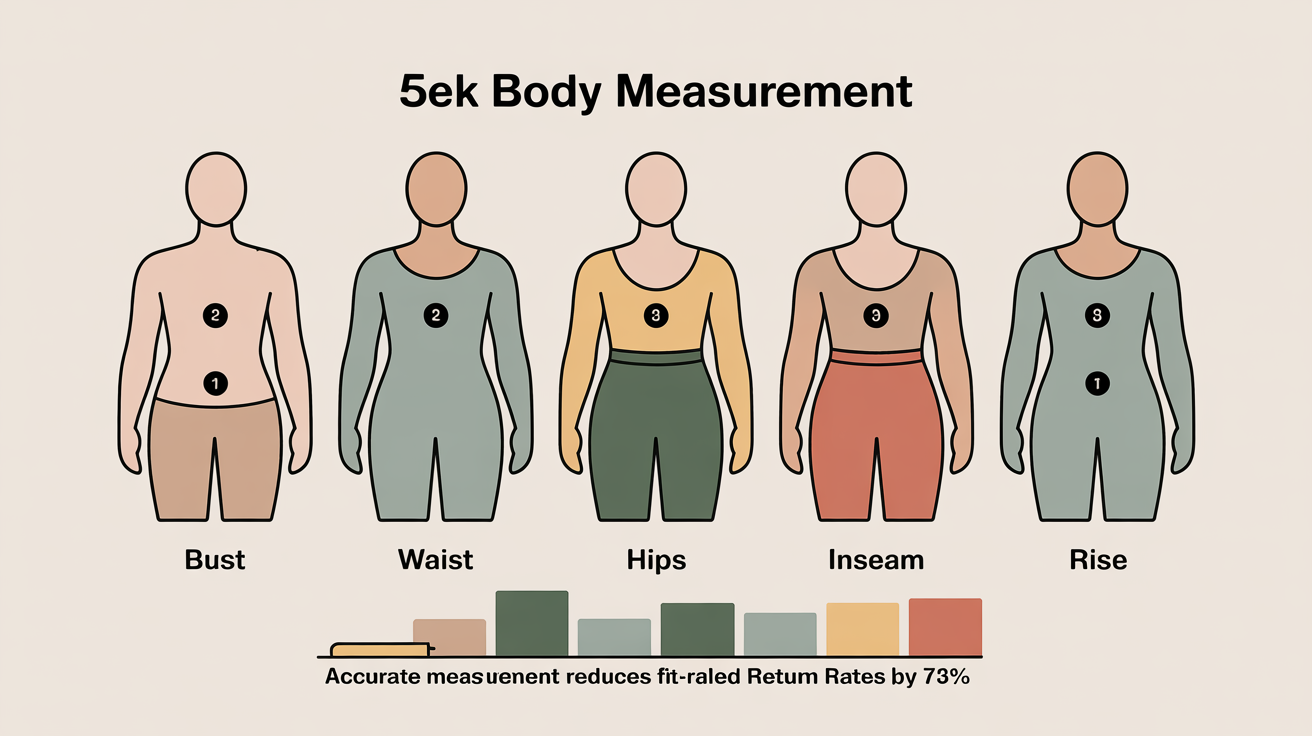
Size charts focus on reference points: chest, waist, hips, inseam. Yet each brand sets its own proportions. The “natural waist” sits above the belly button at the slimmest point. The “fullest hip” wraps around the widest part of the bottom. “Inseam” runs from the crotch seam down to the ankle bone. “Rise” starts at the crotch and ends at the top of the waistband - this decides how high or low trousers sit. Shoulder width, sleeve length, and torso length all influence fit, even if the main numbers seem right.
Fabric changes the experience. Woven cotton holds its shape, with little give. Knits and blends with elastane or spandex stretch and bounce back. Cut matters too - relaxed, slim, or regular - and so does “ease”: the extra space between the garment and the skin. Two pairs of jeans with the same waist can feel worlds apart if the rise, cut, or fabric blend differ. For more, see how fit, cut, and style interact or how to recognize quality fabrics online.
- Flexible measuring tape (cloth or soft plastic - not metal)
- A way to record measurements (notebook or phone app)
- The brand’s size chart in front of you
- One or two favorite garments that already fit well (for comparison)
- Clear sense of where to measure: natural waist, fullest hip, chest, inseam, rise
Step-by-Step: Measuring Your Body for Online Clothing Success
Accurate measurements remove the guesswork from online shopping. Use these steps to capture numbers that match your actual shape - so you know, before ordering, how a garment will fit your or your child’s body.
- Set up for accuracy
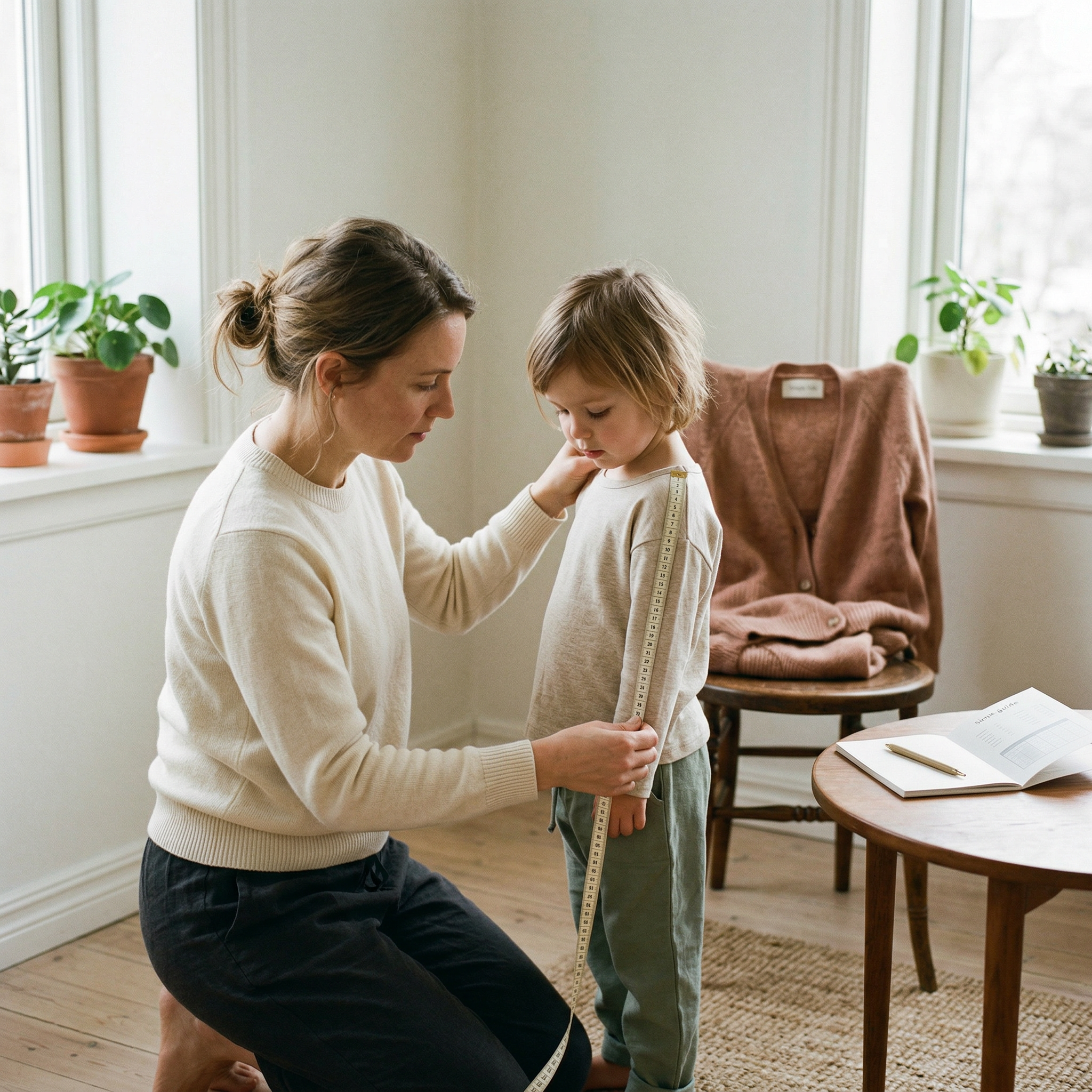
Choose a flexible sewing tape. Wear a close-fitting base layer or underwear. Bulky clothes add inches - sometimes two or more - to your numbers. Stand barefoot on a hard floor. Have a notebook or phone nearby to record each result right away. For children, measure when they're calm - often after a meal works best.
- Find your landmarks
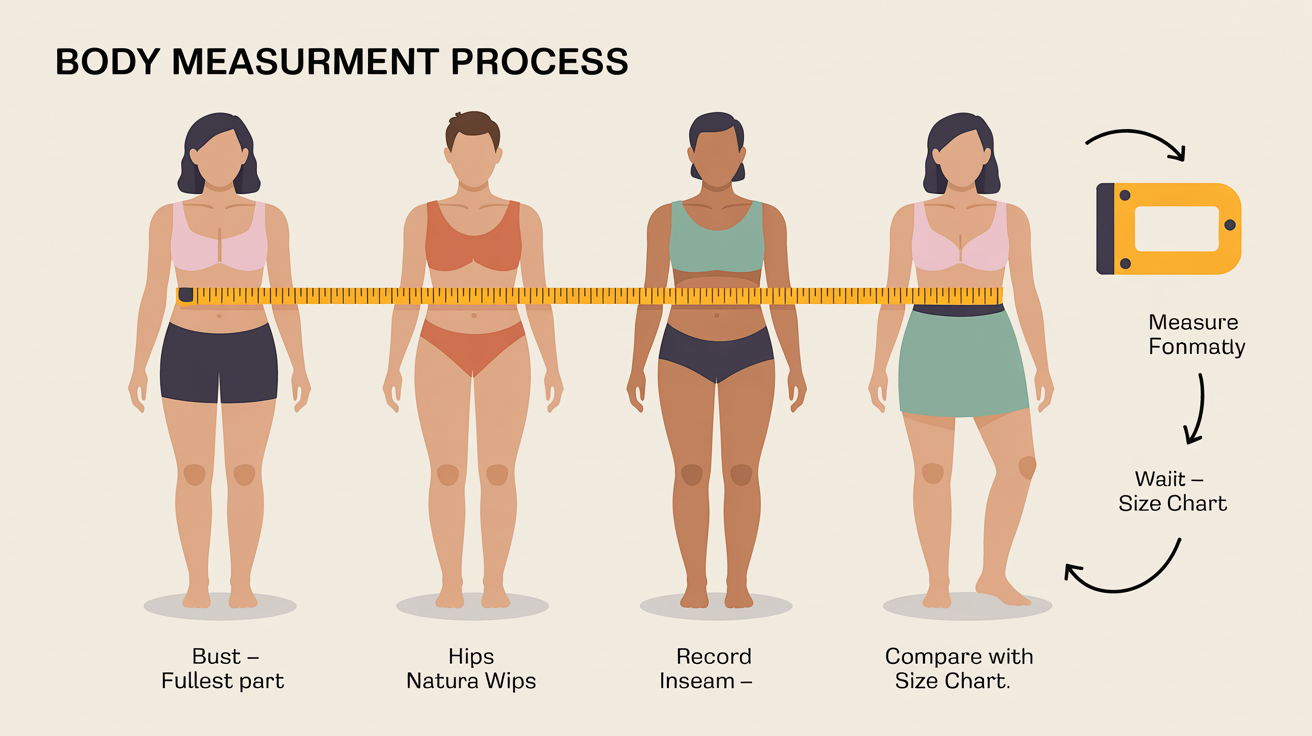
Waist: the narrowest point above your navel, below the ribs. Hips: the fullest part of your seat and upper thighs. Bust or chest: tape at nipple height, straight across the back. Inseam: start at the crotch seam, run the tape down the inner leg to the ankle bone. Before measuring, check each spot with your hands - mistakes here lead to off results.
- Measure and record key areas
- Waist: Exhale, stand tall, and wrap the tape above your navel. Don’t pull tight - let it rest softly against the skin.
- Hips: Feet together, measure the widest point - usually over your seat and upper thigh.
- Bust/Chest: Wear your usual bra or a soft crop. Tape goes under arms, across the back, and over the fullest area. Shopping for bras or fitted dresses? Pause here and check bra fit essentials first.
- Inseam: Hold the tape at the crotch seam, then measure down the inside of the leg to where you want the hem to land. Consider the shoes you’ll wear most.
- Rise: Place the tape at the crotch, measuring up to the top of the waistband. High-rise or low-rise? This number shapes comfort.
- Account for fabric and layering
For stretch fabrics, measure close to the skin. Super-stretchy knits relax with wear - sometimes size down for these. Woven or layering pieces: add up to 1.5 cm for ease, especially if you’ll want to fit a base layer beneath. For oversized styles, size up; for tailored shapes, size down. Decisions here affect comfort and fit.
- Compare with a well-fitting garment
Lay a favorite shirt, dress, or trousers flat. Smooth out wrinkles - don’t stretch. Measure the same points (waist, hips, bust, inseam). Compare these numbers to your body’s. If this piece is your “best fit,” use its measurements as a guide - especially for children who need room to grow. Capsule wardrobe planning? See how quality basics fit in real life.
- Distinguish body vs. garment measurements
Body measurements reflect your size. Garment measurements show clothing laid flat. Always match your body’s numbers to the brand’s size chart. Use garment measurements only when comparing with something you already own. A 2 cm difference can mean tightness or new freedom of movement.
- Measure twice for changing bodies
Children grow quickly - recheck every few months or before a seasonal shop. Pregnancy or postpartum? Measure at three points: pre-pregnancy, current, and your expected return size. Repeating the process helps pieces last through changes.
These steps help you avoid common mistakes: measuring over thick clothes, stretching the tape, or confusing body and garment numbers. Clear, accurate measurements bring peace of mind - so you can build a wardrobe that feels as good as it looks.
Common Fit Mistakes When Measuring for Online Orders - And How to Avoid Them
The most common fit problem? Measuring over bulky clothes. Even a thin sweatshirt can add up to 3 cm, leading to garments that arrive loose, slouchy, or awkwardly shaped. The result - returns, wasted time, and clothes that never truly fit your little one or yourself.
Measuring Over Clothes, Not Bare Skin
Keeping a sweater or even a thin long-sleeve on while measuring seems harmless. It isn't. That extra layer adds bulk at the waist, hips, arms - everywhere you want an accurate number. The result: pieces that droop off the shoulders or slide down the hips.
The fix is simple. Use bare skin, or the lightest undergarments you’d actually wear underneath. If you’re shopping for true layering pieces - think winter coats - note the thickness of what will go underneath, but rarely add more than 1.5 cm. Measurement accuracy here means comfort and confidence in every piece. For more, see fabric fundamentals and why fabric thickness matters for fit.
Choosing the Wrong Reference Points
A tape measure in the wrong spot throws everything off. Measure your waist a few centimeters below the natural crease, or your hips too high, and clothes arrive pinching, pulling, or sagging in all the wrong places.
Find your natural waist by bending sideways - the crease is your true waist. For hips, use the fullest point, usually a bit below the waistband. Mark these spots with a soft pencil or gentle tape, especially if your child fidgets. More on finding true measurement points is in our step-by-step fit guides.
Ignoring Fabric Stretch and Ease
Many skip the stretch test when measuring for knits, denim, or any garment with elastic fibers. Rigid denim fits differently than a cotton-elastane blend. Using the same number for both leads to jeans that squeeze after washing or bag out and lose shape.
Check the fabric’s composition and construction. For stretch fabrics, measure close to the body and choose a snug (but not tight) fit. The fabric will relax with wear. With woven or non-stretch fabrics, allow up to 1.5 cm extra for comfort and layering. Unsure? Try the pinch test: you should be able to pinch 1.5 to 2.5 cm of fabric at the widest part of the thigh or hip. More about the pinch test and other checks in how to use the 2 finger rule.
- Check fabric composition on the product page before ordering
- Do a stretch test: gently pull a fabric swatch or side seam and see if it springs back - no permanent stretching
- Adjust your measurements: subtract up to 1 cm for high-stretch knits, add up to 1.5 cm for rigid, woven fabrics
Trusting Only Generic Size Charts
Every brand has its own measurements and intended fit. Relying on a “universal” size chart ignores these differences and often leaves you with unworn, ill-fitting pieces. This mistake is especially common in children’s wear, where growth and proportions shift quickly.
Always compare your numbers to the brand’s own size guide. If possible, check garment measurements - not just body measurements - and compare to a favorite piece at home. This step helps reduce returns and keeps new clothes in steady rotation. See more on matching body and garment measurements in our practical fit and closet strategies.
Essential Tools and Resources for Flawless Online Fit (And Why Simple Folk’s Guides Are Different)
Shopping for clothing online demands accuracy. Fabric, fit, and proportions shift brand by brand - sometimes even within the same label. A soft, non-metal tape measure gives you control over your numbers. Digital fit tools and visual guides give context you can trust. With the right resources, even a small wardrobe feels manageable.
Measurement Essentials: Tape Measures, Fit Notes, and Tracking What Works
Choose a flexible, sewing-style tape measure. Metal or rigid plastic versions distort results. Bring your own measurements to every chart - don’t trust old tags or standard labels. Write down bust, waist, hip, and inseam before each season. Jot quick notes on what actually fits - favorite brands, sizes, or styles that worked last time. This habit makes reordering easier and reduces guesswork, especially as children grow fast.
- Pick a fabric or vinyl tape - never metal or hard plastic
- Update core measurements at the start of each season
- Keep a running list of brands and sizes that have fit well
Curious how to check fabric quality or finishing? See the advice in how to identify quality fabrics when shopping online.
Brand-Specific Digital Tools and Visual Fit Guides
Generic size charts don’t tell the full story. Seek out brands that publish detailed garment measurements - not just body size ranges. The most useful resources show where and how to measure, often with photos or diagrams. These visuals help bridge the gap between your numbers and the garment itself, which matters most for minimalist or sustainable brands where sizing tends to stay consistent season after season.
Fit calculators offer a starting point, but always compare your measurements to the brand’s flat-lay dimensions. Layer these numbers with your own fit notes from past purchases. That’s where real confidence comes from - not the number you wore last year, but what’s worked on your body or your child’s, over time.
Customer Support and Sizing Consistency
If you’re unsure, reach out. A responsive support team can clarify fabric stretch, ease, and help you interpret in-between measurements. Minimalist, certified-fabric brands often keep sizing standards steady from one collection to the next. Their teams know the fit nuances families care about - no chasing trends or sudden changes in cut or comfort.
The willingness to walk you through a measurement, or to suggest a simple adjustment, matters. For sensitive skin or capsule wardrobes, this level of care makes all the difference. Want more on why these details matter? Read the right dress for every milestone.
Why The Simple Folk’s Fit Resources Feel Different
The Simple Folk’s fit guides include clear visual instructions, garment-specific charts, and honest, accessible support. Every piece lists GOTS-certified fabric details and straightforward sizing - no vague “runs true” claims, just real numbers. This approach delivers a gentle, predictable fit and helps your family avoid both sizing surprises and the waste of unworn clothes. Quiet, reliable - like a favorite piece that always feels right.
Your Measurements, Your Confidence: Enjoying Clothes That Truly Fit
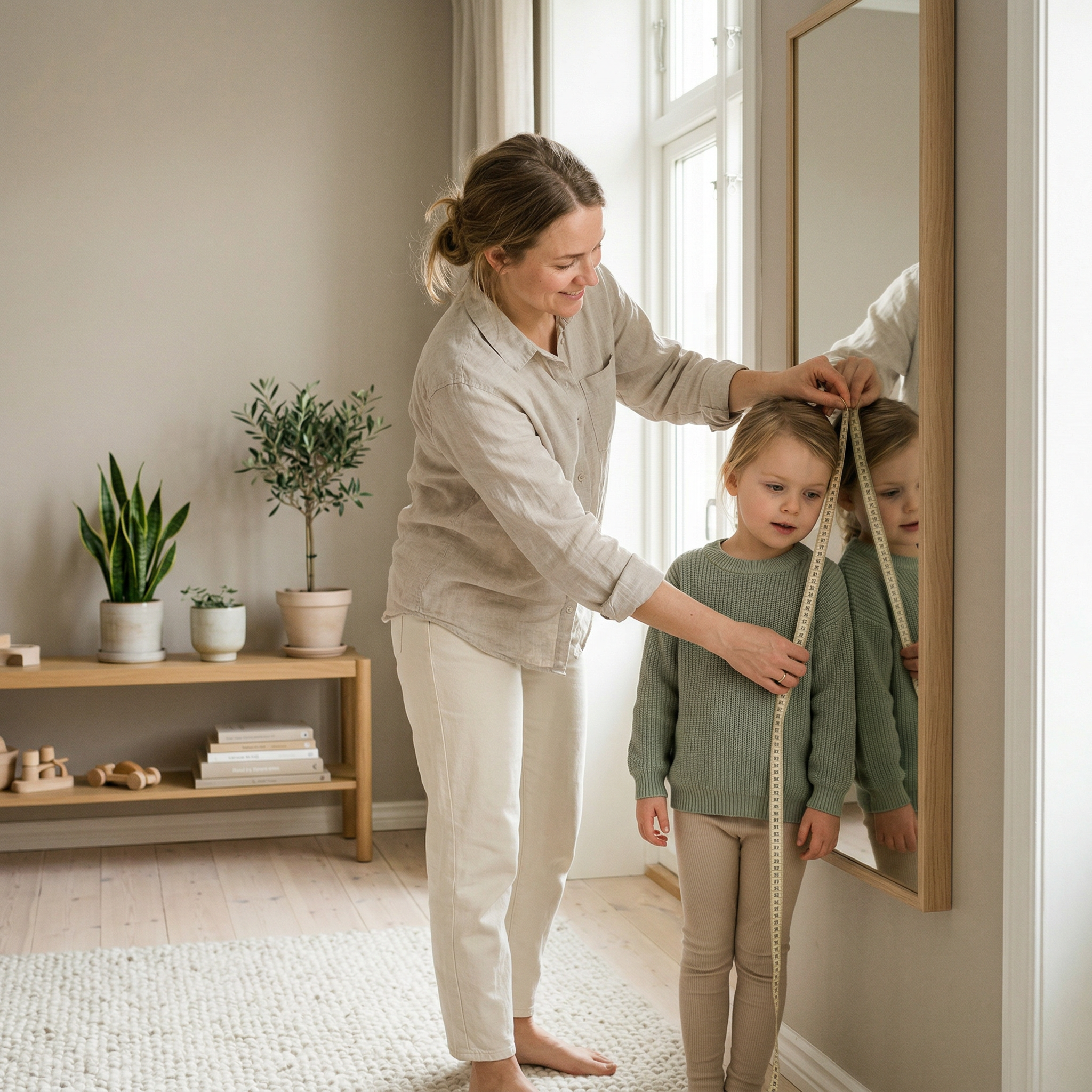
Just a few quiet minutes with a measuring tape - less guesswork, fewer returns, and a closet that feels right each morning. Clothes that fit well move with you. No tugging, no second-guessing, just comfort you trust day after day. When every piece actually feels good on your body, confidence follows. Doubts about fabric or fit fade away.
The process is simple: measure carefully, compare your numbers to honest size charts, and notice how your most-loved clothes fit. Use soft, natural fibers whenever you can; they’re gentle for sensitive skin and hold up to real family life. Keep only what fits now - if it pinches, gapes, or always gets skipped, pass it on. This is the heart of seasonal wardrobe transitions. Less clutter, more ease. Space for what serves your family best.
Ready for new favorites? The Simple Folk’s measurement-first approach, natural materials, and transparent sizing make it easy to choose well. Each piece is designed to honor your shape and your values - clothing that just works. No waste. No surprises. Quiet confidence, every time you get dressed. Want to explore gentle ways to find your best fit? See how to dress to flatter your body - proof that comfort and confidence belong together.
Frequently Asked Questions
How often should I re-measure my body for online shopping?
Re-measure every 3 months and any time your weight or body composition changes by about 5 lb (≈2.3 kg), after pregnancy or major fitness changes, and always before a big purchase or when trying a brand you haven’t worn. Measure key points - waist (smallest point), hips (fullest part), rise (crotch to waistband) and inseam (crotch to ankle) - wearing light clothing because bulky layers can add roughly 2 inches to waist/hip measurements.
Does The Simple Folk clothing fit true to size?
Yes - The Simple Folk generally fits true to size: customer testing shows about 91% sizing satisfaction and an 8% return/exchange rate versus ~27% for standard options. They use fit models, revised grading and adjustable details to improve fit, but some shoppers still opt for minor tailoring or to consult the brand size chart and measurements before purchase.
What do I do if my measurements change due to pregnancy, growth, or weight fluctuation?
Choose adjustable silhouettes and flexible fabrics, re-measure when your clothes start to feel tight, and either size up or alter garments to bridge the change. Wrap dresses (tie waist) and overalls (roomy cut with adjustable straps) are recommended for pregnancy or fluctuation because they let you tighten/loosen on the fly, and fabrics with about 2% elastane (e.g., 98% cotton/2% spandex) give gentle stretch without losing shape. For short‑term solutions use belly bands, waistband extenders, or elastic panels; for longer term have a tailor let out seams or add elastic so the piece fits comfortably as your body changes.
Is it safe to rely on just the size label when ordering from different online brands?
No - size labels alone aren’t reliable because brands use different cuts, body-vs-garment measurements, and inconsistent pre-shrinking, and fabric stretch changes fit. Measure your body snugly with a tape and compare it to the jeans’ listed garment measurements or brand fit guide (the two‑finger rule can’t be applied directly online); for rigid denim size up, while stretch denim often fits true. Also check customer photos/reviews and the return policy, or order two sizes if unsure.
How do I use The Simple Folk’s size chart, and what if I’m unsure between two sizes?
Measure your bust, waist, hips and height and match those numbers to The Simple Folk’s size chart on the product page, using any provided garment measurements to confirm intended ease. If you’re between sizes, size up for a roomier, layer-friendly fit (size down only for a snug look); many Simple Folk styles have adjustable straps, wrap or roomy cuts - check product notes and customer-fit comments or contact customer service and rely on their exchange/return policy if needed.
Luis Gamardo built a modern job search framework for a broken recruiting system. His approach teaches how to send cold emails at every stage of the hiring process, so qualified candidates can get noticed by the right people at the right time - including before jobs are even posted.