

Loose-fitting cargo pants and baggy jeans have surged in popularity, now outselling skinny fits by a wide margin as consumers prioritize comfort, utility, and everyday versatility. The guide shows how to style cargo pants intentionally - through oversized silhouettes, utility details, minimalist neutral palettes, layering, and quality fabrics - to create effortless, Scandinavian-influenced streetwear that functions for family life and more polished outings, making cargo pants the quiet, versatile hero of modern wardrobes.
- Why Cargo Pants Are the Quiet Hero of...
- Understanding Streetwear: The Rise of Oversized Silhouettes and...
- How to Style Cargo Pants: Step-by-Step Guide for...
- Avoiding Common Cargo Pant Styling Mistakes: Honest, Research-Backed...
- Essential Tools and Resources: Building a Minimalist, Streetwear-Inspired...
- Effortless, Intentional Style: The Lasting Appeal of Cargo...
Why Cargo Pants Are the Quiet Hero of Modern Streetwear
Loose-fitting cargo pants and baggy jeans have surged in popularity, now outselling skinny fits by a wide margin. For many families, the problem is clear: comfort and versatility are now non-negotiable, yet most options still feel either too trendy or too fussy for daily life.
With this guide, you'll be able to style cargo pants intentionally for everyday wear, layering, and even for outings that call for a touch more polish. You'll learn how to build clean, minimalist looks that reflect both current streetwear style and timeless Scandinavian calm.
We'll move step by step, beginning with the foundations of modern streetwear and the reasons behind the shift toward relaxed silhouettes. You'll see how to pair, layer, and finish each look so your wardrobe feels effortless and quietly current. For more on relaxed fits and how they suit modern family life, you can explore why easeful pants and jeans are here to stay.
Understanding Streetwear: The Rise of Oversized Silhouettes and Everyday Comfort
Streetwear means relaxed, practical clothing that values comfort and authenticity over rigid rules. Oversized fits, utility-inspired details, and thoughtful layering are the building blocks of this modern style. These elements turn everyday outfits into quiet statements - never loud, always intentional.
The move toward oversized silhouettes is about more than following a trend. For many, loose shapes offer physical ease and a sense of freedom. Gen Z especially chooses wide-leg jeans, slouchy cargo pants, and boxy tees because these clothes allow movement, play, and self-expression without feeling showy. Utility details - like extra pockets and reinforced seams - aren't just for show; they echo a Scandinavian practicality that values garments made to last.
Layering is another of streetwear. It isn't just about warmth, but about creating outfits that can adapt throughout the day. A sweatshirt over a tee, or a relaxed button-down over cargo pants, offers both coziness and the flexibility to dress up or down. Minimalist textures, soft fabrics, and neutral tones all enhance this feeling of quiet confidence. If you want a deeper understanding of why these choices matter, you can explore how fabric quality and construction affect both comfort and longevity.
Before you start building outfits in this style, it helps to know the vocabulary and concepts that guide streetwear dressing:
- Oversized fit: clothing intentionally cut with extra room for ease and comfort, not simply sized-up versions of traditional garments
- Utility details: functional features like patch pockets, drawstrings, and visible seams that add both style and practicality
- Layering: combining two or more garments so you can change your look, adjust for weather, or add interest without fuss
- Minimalist color palette: favoring soft neutrals and earth tones over prints or loud colors for a calming, timeless feel
- Quality fabrics: choosing materials that are breathable, soft, and durable - learn more about selecting the right fabrics for everyday comfort
With these basics ready, you'll be able to identify the true essentials of a minimalist, streetwear-inspired wardrobe. For a more detailed look at fit, durability, and choosing the best pants for your family, you can explore practical guidance on everyday jeans and pants choices.
How to Style Cargo Pants: Step-by-Step Guide for Effortless Streetwear Looks
When you style cargo pants with intention, you create a look that feels both relaxed and quietly confident - never fussy, never forced. These steps will help you build modern streetwear-inspired outfits based on comfort, proportion, and the subtle details that make daily getting dressed feel easy.
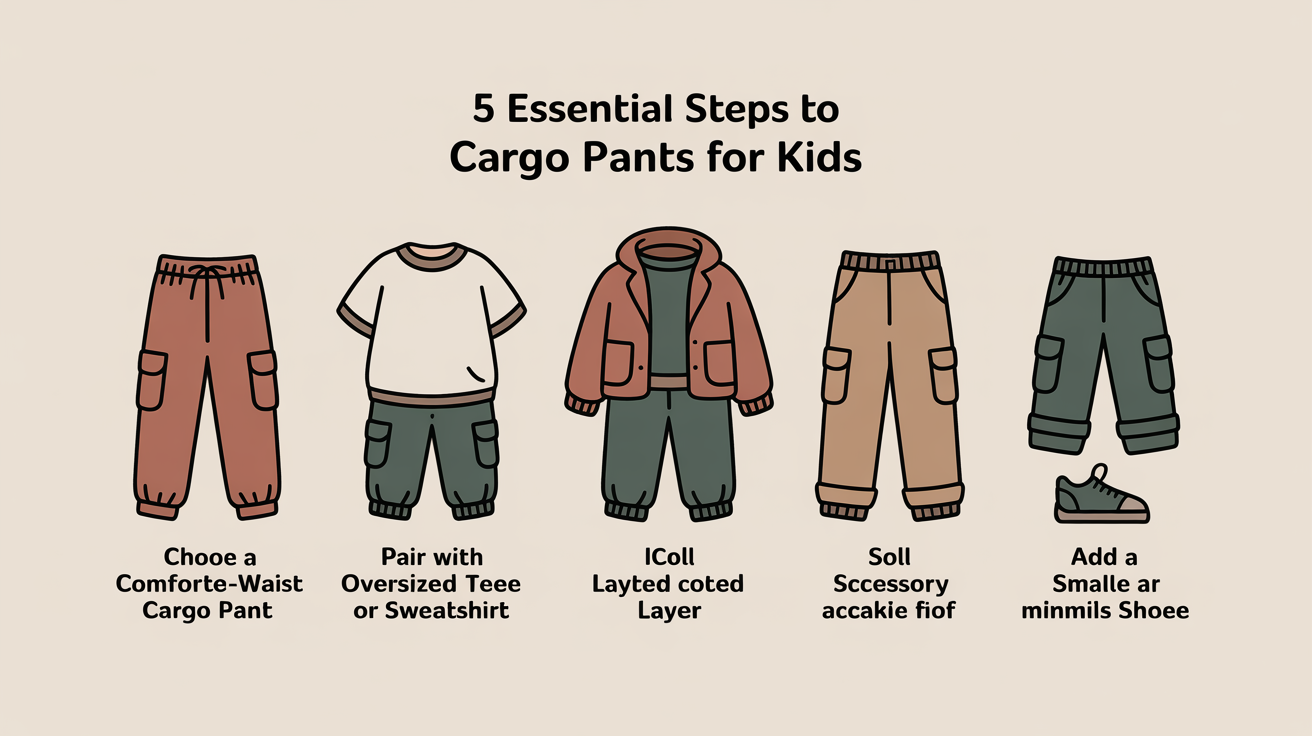
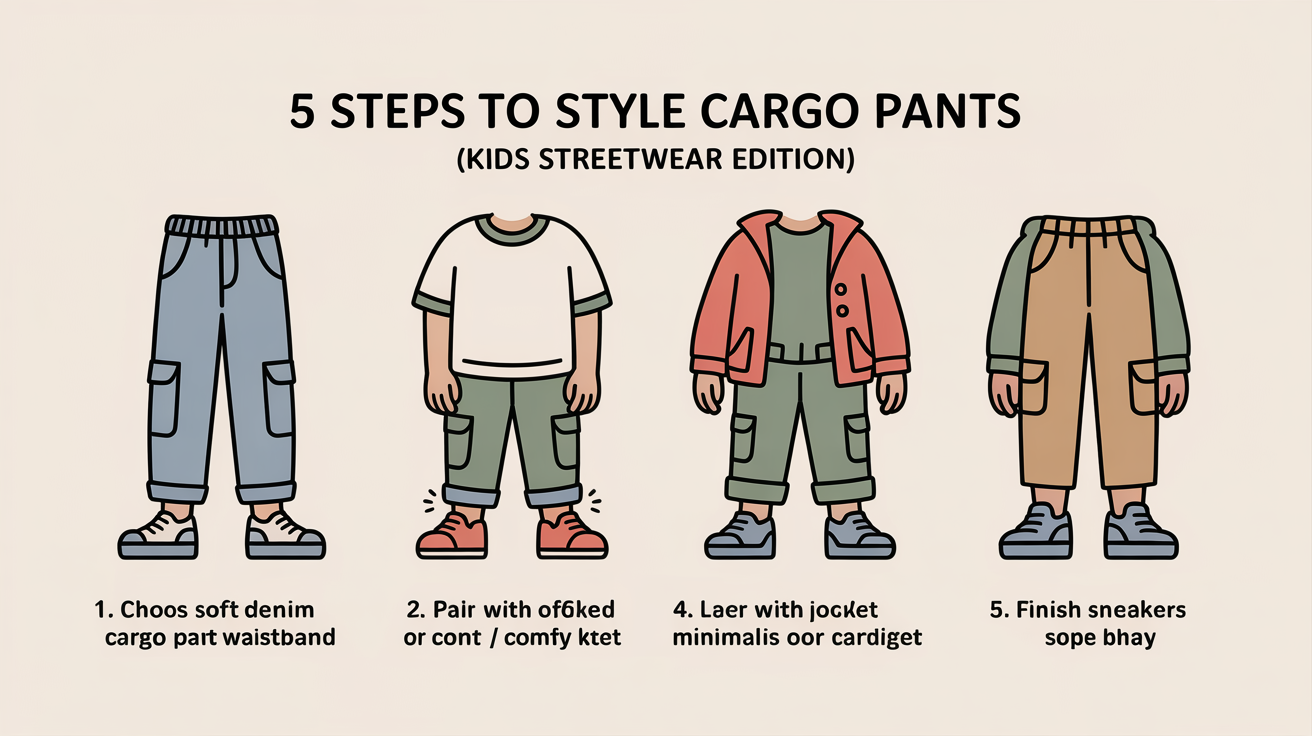
- Start with a well-fitting, comfortable cargo pant. Choose a pair in a soft, durable fabric with utility pockets that lie flat against the leg. Prioritize an elastic or adjustable waist for all-day comfort - especially for your child's active routine. If you need help with finding proportions that suit your little one, you can refer to practical fit advice for everyday pants.
-
Balance the silhouette with an oversized or boxy top. A relaxed tee or sweatshirt works best over the looser leg of cargo pants.
- If the cargos are extra baggy or wide-leg, choose a slightly cropped or tucked-in top to add shape and avoid overwhelming your child's frame.
- If the pants are more streamlined, a longer oversized sweatshirt can create that easy streetwear vibe without swallowing them up.
-
Layer intentionally for texture and function. Fine layering is a hallmark of Scandinavian-inspired style. Try a soft button-down shirt left open over a tee, or a relaxed bomber jacket for cooler days.
- For active mornings or chilly playgrounds, light layers keep your child cozy without overheating. Thin knits and unlined jackets add visual interest without bulk.
- Avoid heavy, structured outerwear unless the weather demands it - too much weight can make movement clumsy.
-
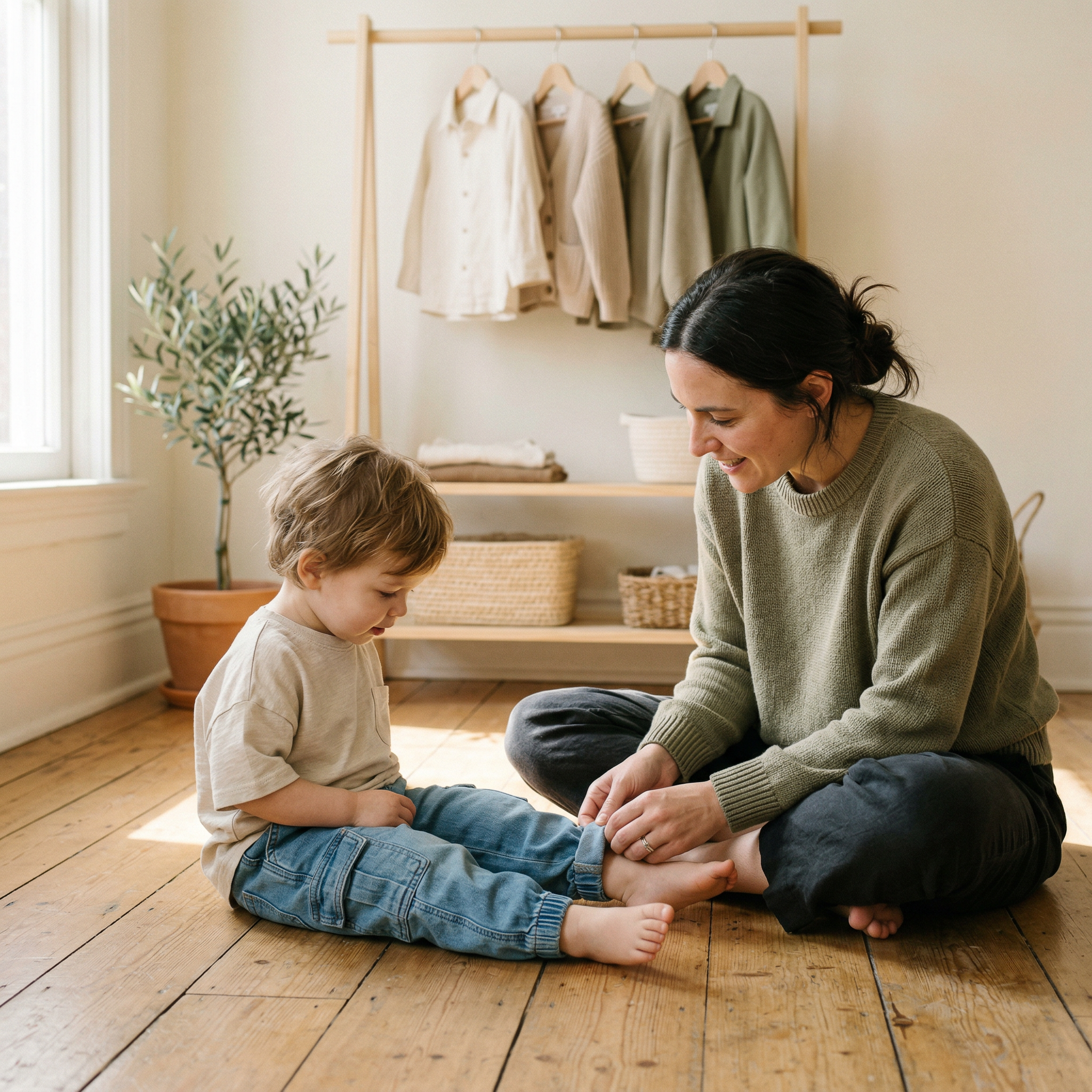
Use cuffs or rolling to tweak length and add character. Rolling cuffs once or twice makes pants less likely to drag and puts the focus on your child's shoes.
- For taller kids, a deep single roll looks neat; for shorter legs, stay cuffless or use a small, loose roll. Too many rolls can look messy and add bulk.
- Always check that the bottom hem hits at the ankle or just above the shoe - pants that bunch at the bottom lose the streamlined, easy effect. For specific guidance on getting this balance right, see these tips for choosing jeans and pants for every day.
-
Choose shoes that ground the outfit. Low-profile sneakers or soft slip-ons are best - think minimalist shapes in natural tones or classic white.
- If the pants are wide-leg or especially slouchy, a more structured sneaker balances the volume.
- Avoid chunky or high-top shoes with extra-baggy cargos, as this can make the whole look appear heavy and distract from the gentle proportions you're aiming for.
-
Add subtle accessories and practical details. A fabric belt in a neutral color, a ribbed beanie, or a simple tote bag can finish the look without crowding it.
- Stick to one or two accessories. Too many layers or add-ons will distract from the calm, effortless feeling of true streetwear style.
- Always check that pockets are not overloaded - cargo pants already have visual detail, so avoid bulging or uneven shapes from stuffed items.
-
Edit and adapt for daily comfort. Have your child move around - sit, squat, stretch - before heading out the door.
- If anything feels stiff or restricting, swap out a layer or adjust the waistband. Comfort is the highest priority for your family's wardrobe.
- When you're building a daily routine around fewer clothes, the focus is always on how the outfit serves your child's rhythm - not trends.
As you build these looks, remember: less is more. Every piece should feel intentional. For more ways to refine your family's style and make practical, beautiful choices, you can explore gentle guidance for finding jeans that fit your child's body and the complete everyday pants overview.
Avoiding Common Cargo Pant Styling Mistakes: Honest, Research-Backed Solutions
The most common failure with cargo pants is drowning your child's shape in oversized layers. This mistake swallows their natural lines and can leave them tugging at clothes all day. Comfort and confidence disappear fast when outfits feel bulky, bunched, or in constant need of adjustment.
Too Many Oversized or Layered Pieces
Pairing loose-fit cargo pants with equally baggy tops or chunky sweaters leads to a look that swamps your child's frame. This happens because parents often associate "roomy" with comfort, but excess volume quickly hides movement and creates bulk. Research shows that kids move better and feel more at ease when clothing skims the body rather than billowing out or bunching at key joints during play.
The simplest fix is to balance loose bottoms with a fitted or slightly cropped top. Tuck in tees or choose a sweatshirt that hits just at the hip. This creates gentle contrast, showing your child's shape and making movement easy. If you need warmth, opt for a slim, soft underlayer rather than another loose outer piece. For more on how proper fit affects daily comfort, see guidance on clothing that actually fits your family's real life.
Doubling Up on Pocketed Garments
Layering cargo pants with pocket-heavy shirts, utility jackets, or vests piles on visual clutter and adds excess weight. It's easy to reach for practical pieces, but too many pockets make outfits look disorganized and feel uncomfortable - especially when they're filled with small treasures or snacks. Children may also fuss with awkward seams or tug at uneven areas during play.
Choose just one statement piece with pockets per outfit and keep the rest simple. If your child's pants are already detailed, pair them with a classic tee or soft top without extra zippers or flaps. This keeps the outfit intentionally pared back and helps avoid the pitfalls of over-accessorizing, so your child's look stays clean and quietly stylish.
Over-Rolling Cuffs or Hemming Improperly
Parents often roll cuffs several times to adjust for growth or to ankles. But excessive rolling creates thick bands that lose the effortless, relaxed feel cargo pants are known for. Over-rolled hems can bunch inside shoes, cause tripping, or make pants ride up awkwardly as your child moves.
- Stick to a single, wide cuff - just enough to hit at the ankle bone, never higher.
- If pants are too long, consider a temporary hem or visit a tailor for a gentle alteration. This keeps lines clean and allows room for growth.
- Test the rolled cuff by having your child sit, walk, and squat. If the roll shifts or comes undone, start over with a wider, neater fold.
Consistent, minimal rolling preserves both function and style. More tips for managing length and proportion appear in these specific guidelines for jeans and pants that fit every day.
Ignoring Fabric Quality and Proportion
Choosing cargo pants in stiff, scratchy, or low-quality material can ruin even the most intentional outfit. Poor fabric traps heat, restricts play, and wears out quickly - leaving knees baggy or seams chafing sensitive skin. Oversized or heavy-duty fabrics often make kids look and feel weighed down, while thin, low-stretch blends lose their shape and bunch in awkward places.
Always check fabric by touch and watch for seams that lay flat against the skin. Opt for soft, movement-friendly natural fibers. Avoid cheap blends with excessive stretch, as these rarely hold up to the daily demands of active play. For a detailed look at the cost and comfort risks of bad fabric, go deeper into common fabric shopping mistakes that waste your money.
Essential Tools and Resources: Building a Minimalist, Streetwear-Inspired Wardrobe
Intentional tools and thoughtful resources are what make a minimalist, streetwear-inspired wardrobe work in practice. To choose pieces that last, focus on comfort, durability, and versatility - elements that quietly support your family's daily rhythm and future hand-me-down cycles.
Core Wardrobe Essentials for Everyday Simplicity
Building a capsule wardrobe starts with a handful of versatile basics. These are the pieces your child reaches for every morning - the soft tees, relaxed pants, and simple dresses that withstand both playground sprints and gentle weekend walks. Opt for neutral colors and timeless shapes to keep mixing and matching effortless. Natural fibers like organic cotton and linen are best for sensitive skin and daily washing, making them worth the upfront investment. If you're still deciding how many pieces you need, practical guides suggest that 15-20 well-chosen items will cover most needs without crowding the closet.
For a closer look at which fabrics support movement and comfort, you can explore fabric fundamentals and how to spot quality before adding new items.
Layering Pieces and Seasonal Adaptability
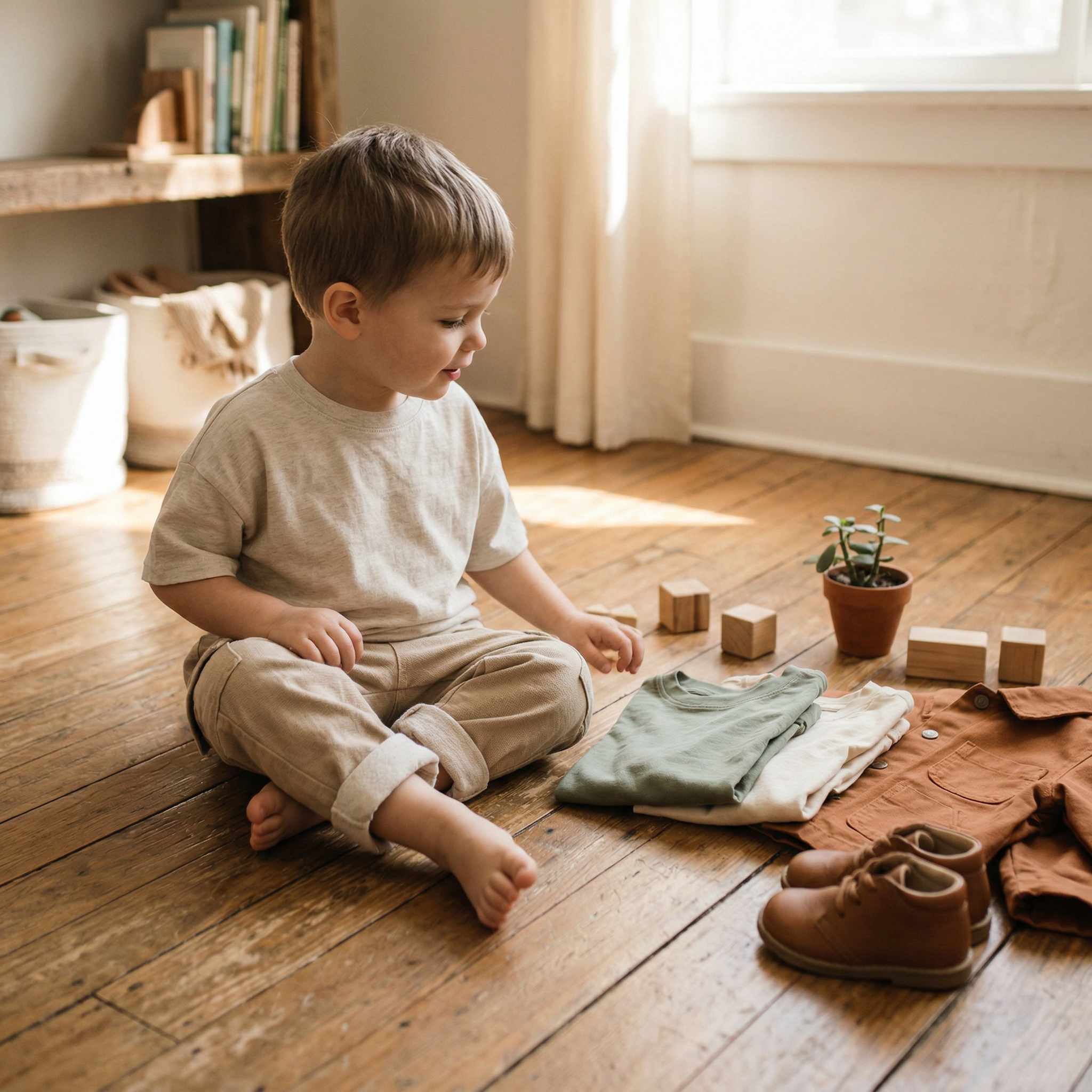
The right layering pieces make each item in your child's wardrobe more versatile. Look for oversized tees, soft cardigans, and lightweight hoodies - these create warmth without bulk and adjust easily to changing seasons. Prioritize adjustable features like elastic waistbands or slightly relaxed fits, which carry your child through growth spurts without frequent replacements. Gentle layering means fewer single-purpose items and more wear from each carefully chosen piece. For everyday comfort and a wardrobe that easily transitions across seasons, layering basics are essential.
- Choose neutral cardigans or sweatshirts to layer over tees and dresses.
- Select pants and leggings with year-round fabrics and adjust fit with rolling or temporary hems.
- Keep seasonal extras (coats, swimsuits, snow gear) separate and rotate them as needed, rather than folding them into the core capsule.
Organization, Care, and Mindful Updating
Caring for a minimalist wardrobe is as important as curating it. Wash in cold water, air dry when possible, and mend gently - these habits extend garment life and preserve softness. Rotate wear evenly so favorites last longer, and review the contents of the wardrobe each season. Let go of outgrown pieces and store or donate what's rarely used. Keeping organization simple - think tidy drawers and a limited set of hangers - means you and your child can see every option at a glance, supporting calm mornings and thoughtful choices.
You'll find more on how to care for different fabrics and extend the life of each item by following gentle, practical care routines at home.
Effortless, Intentional Style: The Lasting Appeal of Cargo Pants in Modern Wardrobes
Cargo pants offer more than a passing trend - they are a way to support comfort, movement, and simplicity in your child's daily life. When you prioritize relaxed fits, thoughtful layering, and subtle functional details, your child gets a wardrobe that adapts as easily as they do. The goal is always the same: practical style that feels good, looks calm, and lasts through every adventure.
The foundation of lasting style starts with choosing gentle, organic fabrics, then building outfits around versatile pieces that play well with the rest of your capsule. Oversized tees, easy pull-on shapes, and details like soft elastic waists or rollable hems keep mornings stress-free and dressing intuitive. Rotating seasonally, caring for each piece, and letting go of what no longer fits will keep your closet minimal and your child comfortable - all while teaching the value of quality over quantity. For more on balancing these choices, see how material, fit, and construction shape everyday wear in our guide to denim and trousers for children.
We believe your little one deserves pieces that feel safe against their skin and hold up to daily play. That's why The Perfect Jean Baby is designed with comfort, resilience, and timelessness in mind - so every outfit feels as intentional and enduring as the memories you're making together.
Our timeless vintage-style jeans are designed to be a daily wardrobe staple. They feature side and back pockets and an e...
$78.00
Learn MoreFrequently Asked Questions
Are cargo pants practical for all seasons?
Yes - cargo pants can be practical year‑round if you pick the right fabric and features. Lightweight or nylon/polyester‑blend cargos (water‑resistant, quick‑dry) and cargo shorts work for summer and wet conditions; midweight cotton/twill is good for spring/fall; heavyweight canvas or insulated and zip‑off/convertible styles suit cold weather. Avoid heavy canvas in high heat, and remember cargos are utilitarian/casual rather than formal.
What is the difference between cargo pants and joggers for kids?
Cargo pants have multiple large side/cargo pockets, are cut looser in woven, durable fabrics like cotton twill or canvas, and prioritize storage and rugged wear for play or outdoor use. Joggers are made from knit, stretchy fabrics (fleece, French terry, jersey), feature an elastic waistband and cuffs (often a drawstring), and have a tapered fit that prioritizes soft comfort and unrestricted movement but offers fewer functional pockets.
How do I know which fit is right for my child's body type?
Measure your child’s height plus chest, waist, hip and (for pants) inseam and compare those numbers to the brand’s size chart, then favor slightly relaxed cuts or adjustable styles (elastic waistbands, adjustable straps, wrap styles) over tight fits. Test the garment in motion - have them sit, squat and reach - to ensure freedom of movement and comfort; elastic waistbands and roomy cuts are proven to last kids through multiple sizes. Choose breathable, soft fabrics (e.g., organic cotton or soft denim) and size up or use adjustable features to allow layering and growth, then recheck fit every 3–4 months.
How should I wash, dry, and store cargo pants to keep the fabric, pockets, and hardware in good condition?
Wash less and spot-clean when possible; when laundering, empty pockets, fasten zippers/snaps, turn pants inside-out and wash cold with a mild detergent on a gentle cycle or by hand, using a mesh laundry bag and avoiding bleach or fabric softeners. Air-dry in the shade by laying flat or hanging on a sturdy hanger/clip (avoid repeated high-heat tumble drying; only use low heat if the care label allows). Store folded in a cool, dry place or hung without overcrowding, keep metal hardware dry (silica packets in humid areas), and repair worn pocket bags, bar tacks, or loose rivets promptly.
What types of shoes (sneakers, boots, loafers) work best to create smart-casual or slightly polished looks with cargo pants?
Leather or minimal sneakers (white or neutral leather/canvas), sleek boots like Chelsea or chukka in leather or suede, and leather loafers (penny or tassel) work best. Pair them with slimmer, cropped or cuffed cargo cuts in neutral tones (black, olive, tan) to keep proportions polished. Avoid bulky running shoes or heavy combat boots, which make cargos read too casual.
Can cargo pants be professionally altered or tapered, and which adjustments keep the relaxed streetwear silhouette intact?
Yes - cargo pants can be professionally altered; common alterations are tapering via the inseam/outseam, shortening the hem, adjusting the waist or rise, and relocating or resizing pockets. To preserve the relaxed streetwear silhouette, keep full thigh and seat room and the cargo pocket volume - taper only below the knee or remove just 1–2 inches at the ankle (up to ~3 inches on very baggy styles), retain the original rise, and avoid flattening/removing patch pockets. Use a tailor experienced with heavyweight twill/canvas who will reinforce seams and preserve topstitching so the pants keep their workwear structure and look.
What hem length or inseam should I look for when buying cargo pants online for different heights, and how do I measure to get the right fit?
For cargo pants, aim for these inseams: under 5'4" ≈ 28–30", 5'4"–5'7" ≈ 30–32", 5'7"–5'9" ≈ 32–34", and 5'9"+ ≈ 34–36"+ for an ankle‑skimming to slight‑break hem. Measure standing (barefoot or wearing the shoes you’ll pair with the pants) with a soft tape from the crotch seam to where you want the hem, or measure a well‑fitting pair laid flat from crotch seam to hem; add ~½–1" if you want a small break over shoes. Always compare your number to the brand’s inseam/garment‑length chart and check rise (higher rise raises where the hem falls) or choose tall/extended sizing or tailoring if needed.
Luis Gamardo built a modern job search framework for a broken recruiting system. His approach teaches how to send cold emails at every stage of the hiring process, so qualified candidates can get noticed by the right people at the right time - including before jobs are even posted.