

Low-rise jeans sit about 2–3 inches below the navel at the widest part of the hips, and their shortened rise - plus seam placement, stitching and fabric blend - determines silhouette, comfort and whether the waistband gaps or slips. Searches for low-rise jeans jumped 75% in 2023, and the key takeaway is to pick well-constructed pairs with modest stretch for mobility but mostly natural fibers to improve comfort and durability while reducing microplastic pollution (synthetic textiles accounted for roughly 35% of ocean microplastics in a 2017 study).
Our timeless vintage-style jeans are designed to be a daily wardrobe staple. They feature side and back pockets and an e...
$78.00
Learn MoreWhat Are Low-Rise Jeans? The Style Making a Comeback - and Why It Matters
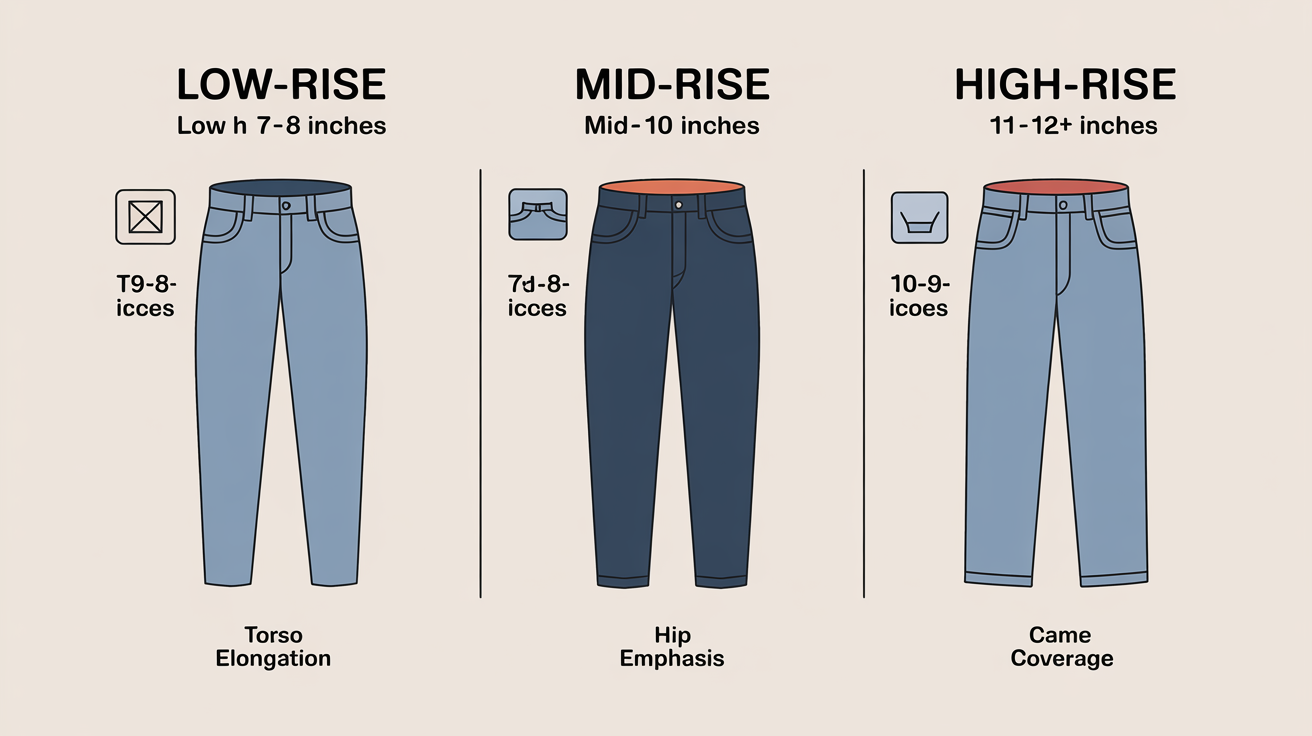
Low-rise jeans are denim pants with waistbands that sit about 2–3 inches below your navel. The band rests lower than mid-rise or high-rise styles, often right at the widest part of your hips. This creates a different silhouette and exposes more of your waist and hips. The defining feature is the dropped waistline - leg shape or fit doesn't matter here.
The return of low-rise jeans isn't just a nod to Y2K memories. In 2023, searches for “low-rise jeans” jumped 75%, showing real curiosity and a shift in what people are reaching for. Their comeback sparks honest discussion about comfort, body image, and the way clothing shapes daily life - especially as trend cycles speed up.
Knowing what sets low-rise apart helps you choose pieces that feel right for your body and your family’s comfort. For more on fit and fabric, see our jeans and pants guide or learn how different materials affect softness, breathability, and sustainability.
How Low-Rise Jeans Are Constructed: Fit, Materials, and the Impact on Movement
Low-rise jeans feature a short rise - the space from crotch to waistband. The waistband sits just above your hip bones, affecting both comfort and how freely you move. Each detail, from fiber blend to seam placement, shapes how these jeans feel on your body throughout the day.
Shortened Rise and Its Effect on Fit
The hallmark of low-rise jeans is a waistband well below your natural waist. With less rise than mid- or high-rise jeans, the waistband often rests at the fullest part of your hips. This cut leaves more of your abdomen and can feel less secure if the fit isn’t precise. When you sit or bend, the back waistband can gap or slip - especially if the fabric lacks stretch or the proportions aren’t matched to your body.
Coverage depends on thoughtful construction. The right fit moves with you, without constant tugging or discomfort. Curious how construction choices influence these details? See our guide on fabric fundamentals and choosing quality materials.
Materials: Natural vs. Synthetic Fibers
Fabric shapes the experience of low-rise jeans in subtle ways. Pure cotton denim feels strong and lets skin breathe, but it often starts out stiff. This can restrict movement until the fibers relax. Many modern jeans use blends - cotton with a touch of elastane or polyester - to add stretch and help the jeans keep their shape. A bit of give makes it easier to crouch, cross your legs, or scoop up your little one without pinching.
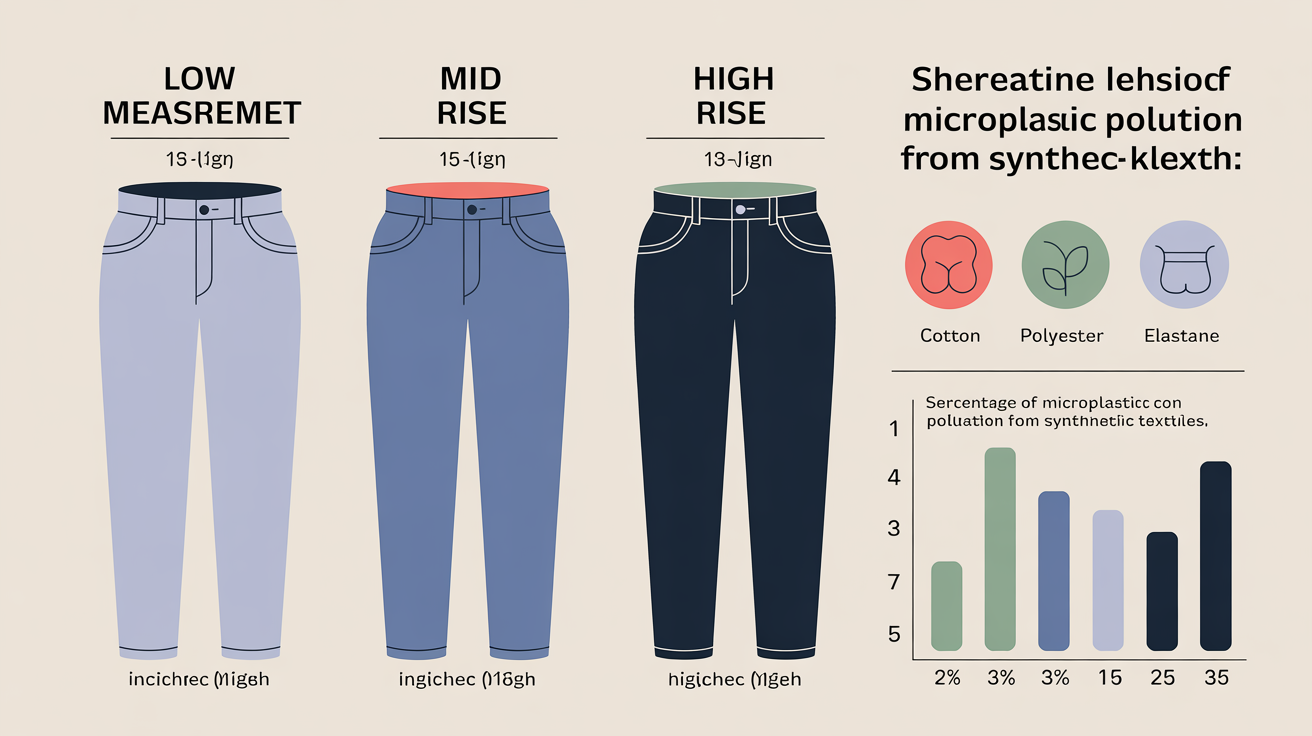
There’s a trade-off with synthetics. Stretch denim is more forgiving, but every wash releases tiny fibers into waterways. About 35% of ocean microplastics come from synthetic textiles, based on a 2017 study. Choosing jeans with mostly natural fibers, reinforced at stress points, supports durability and lowers environmental impact. For a closer look, read our overview of natural fabrics versus synthetic materials.
Seam Placement and Stitching Quality
Seam placement shapes the fit and longevity of low-rise jeans. Side seams trace your body’s curve. Inseams and outseams get extra reinforcement to handle stress. The yoke - a V at the back - adds shape and helps anchor the waistband, so coverage stays consistent as you move.
Check the stitching. Double or triple rows at the seat and crotch signal jeans built to last. Weak seams split easily, causing discomfort and shortening the jeans’ life. Strong stitching reflects care for comfort and garment lifespan.
How Construction Influences Movement
Sitting, bending, and walking all challenge a jean’s design. The short rise, fabric blend, and fit decide how freely you move. Notice the sequence:
- Bending or sitting pulls the waistband downward more than in higher-rise jeans, especially with minimal stretch.
- If the fit hugs your hips and the fabric has some give, you stay covered and at ease.
- Poor construction means exposed skin or constant adjusting - frustrating, quickly tiring.
Comfort in low-rise jeans isn’t just about softness. It’s the result of careful choices: rise depth, hip fit, and fabric response to your body’s shapes and motions. A pair that lets you move, play, and rest without fuss brings quiet ease to your family’s days.
Who Should Wear Low-Rise Jeans? Key Benefits, Body Types, and Modern Uses
Low-rise jeans offer freedom - freedom to move, freedom from pinching waistbands. For many, that translates directly to comfort and a natural fit. The waistband sits at the hips, creating an easy silhouette that adapts quietly to your pace and routine.
Comfort and Movement for All Ages
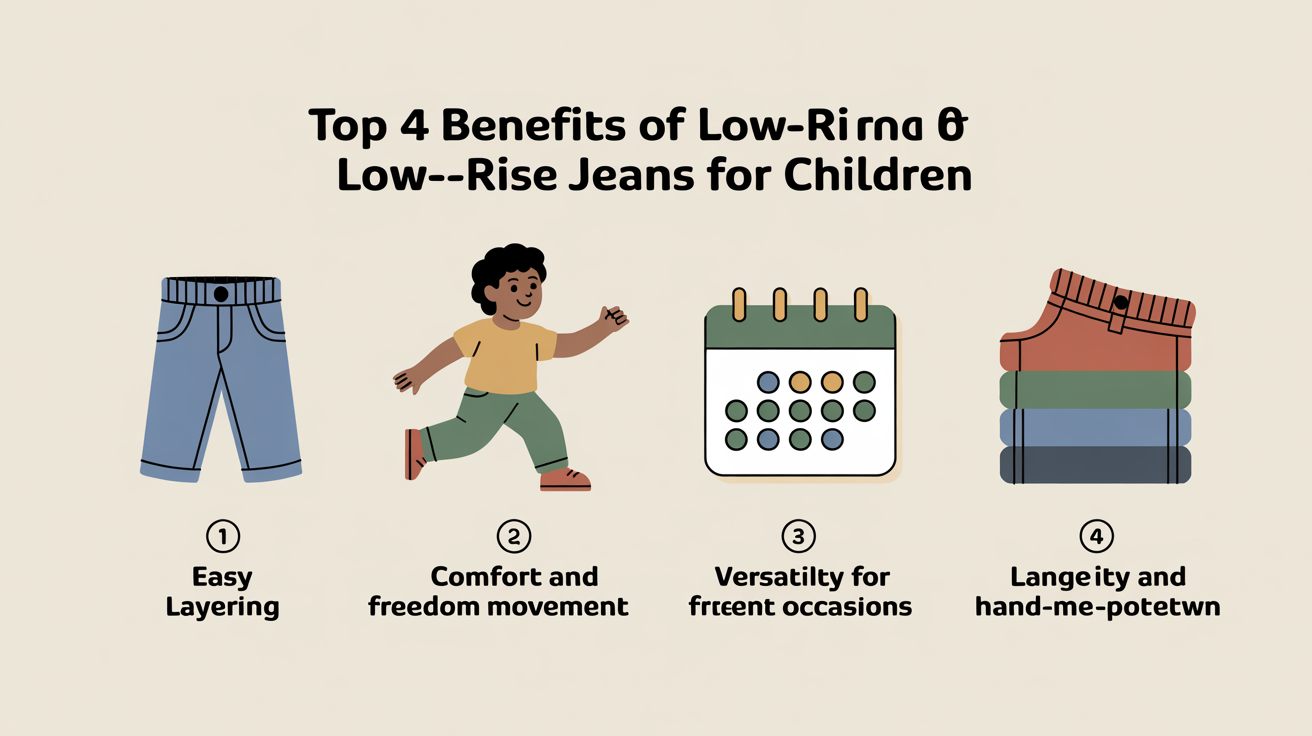
Low-rise jeans rest on the hips, leaving the waist and stomach area open and unconstrained. For young children, elasticized low-rise styles move with every jump and tumble. No digging, no fuss. Less adjusting, more play. Parents notice the difference - kids stay focused on exploring, not on tugging at their clothes. For adults, a hip-level rise means less pressure after a meal or during long car rides. That gentle fit matters on busy days and slow mornings alike.
Real-world results: At the playground, kids in elastic low-rise jeans rarely stop to fix their waistbands. At home, parents report fewer complaints about tightness, even after hours of wear. Comfort here isn’t just a feeling - it supports easier movement and encourages independence, as kids can dress themselves with less help. For more ideas on fit, see finding jeans that suit your shape.
Flattering a Range of Body Types
Low-rise jeans aren’t just for one silhouette. On straighter frames, they can add gentle definition and highlight the hips. For rectangles and inverted triangles, the horizontal line at the hip draws the eye, giving balance without over-structuring the waist. On balanced bodies - hips and shoulders in harmony - the cut lands softly, emphasizing shape without clinging.
Those with a rounder midsection sometimes prefer a low rise because it avoids extra bulk at the waistline. Careful sizing helps prevent slipping. Sometimes, a small adjustment or a contoured waistband makes all the difference. If you’re fitting curves, look for tailoring that matches your proportions. For more denim fit strategies, explore plus size denim styling and fit.
Versatility in Modern Wardrobes
Low-rise jeans blend into a minimal closet. The cut works with cropped tees, longer layers, soft sweaters. Getting dressed - faster. For kids, one pair runs from school to park, no outfit change needed. Adults style the same pair with a tucked tee for errands or a cozy sweater for weekends.
- Easy pairing - low-rise jeans go with both slim and oversized tops, reducing outfit indecision and multiplying options.
- Capsule-friendly - a simple silhouette integrates into a small wardrobe, supporting fewer, better pieces that last season after season.
- Everyday adaptable - they move between school, home, playground, and casual work settings without feeling out of place.
Supporting Growing and Changing Bodies
Kids grow fast, but low-rise jeans with elastic or adjustable waists stretch to fit new sizes. Sizing up, rolling cuffs, or picking jeans with a bit of give means each pair stays in rotation longer - less clutter, less waste. For adults, bodies shift with seasons and life. A flexible low-rise fit adapts, sidestepping the discomfort of a waistband that suddenly feels too tight.
Families who choose adaptable jeans often find they become favorites - passed down, worn again, surviving wash after wash. This approach supports your budget and keeps your closet lighter. If you’re looking for more ways to simplify, see how durability and minimalism guide your family's denim needs.
Low-Rise Jeans: Sorting Fact from Fiction and Debunking Common Myths
The common myth: low-rise jeans are always uncomfortable and show too much skin. Modern low-rise jeans use contoured waistbands, softer denim, and better seat shaping. Comfort and security depend more on thoughtful patterning and fabric quality than on rise alone.
Myth: Low-Rise Jeans Are Always showing or Insecure
Many remember early 2000s low-rise jeans - stiff, minimal coverage, and prone to slipping. That old pattern lingers. But today’s low-rise jeans often include seat contouring, a more substantial rise, and gentle stretch. Research on fit points to the seat and waistband as keys to comfort and movement - not just the rise itself. When the seat hugs without pinching or gaping, you move freely and feel secure. Softer, skin-friendly denim means less tugging, no need for extra layers. For more on choosing the right waist placement, see our coverage and fit guide.
Myth: Only Young, Thin People Can Wear Low-Rise Jeans
Style guides and old ads pushed the idea that low-rise jeans flatter only one body type. The claim: they cut, pinch, or highlight the wrong places unless you fit a narrow mold.
Fit and comfort rely far more on cut and fabric than age or size. Research confirms: streamlined shapes and flexible denim support curves, straighter builds, and changing bodies. A soft waistband and gentle taper can create ease and balance for many body types. Fit experts recommend wearing what feels good, not just what’s trending. For more on matching jeans to your stage of life, visit our fit and life stage guide.
Myth: Low-Rise Jeans Are Bad for the Environment
Some assume all low-rise jeans are fast fashion - poor quality, synthetic, and short-lived. The misconception: the rise itself guarantees waste.
Environmental impact comes from fabric, dye process, and manufacturing speed, not the rise. Jeans made from organic cotton with nontoxic finishes and slower production methods last years longer and reduce pollution. Studies comparing fast fashion to sustainable denim show that natural fibers and careful patterning extend a jean’s life dramatically. Choosing quality over trend-driven synthetics is the simplest way to reduce waste. Unsure what to look for? Avoid common fabric shopping mistakes - they cost more in the long run, both for your wallet and the planet.
Low-Rise Jeans in Modern Wardrobes: The Takeaway for Thoughtful Dressing
Low-rise jeans have a waistband that sits below your natural waist, giving a silhouette that's easy to recognize and simple to make your own. The main thing to remember: low-rise jeans can fit within a thoughtful, sustainable wardrobe - if you choose gentle fabrics, a fit that feels good, and pieces made with intention. The rise matters less than the care you put into selecting, wearing, and maintaining each pair.
Trends shift, but intention lasts. Every choice - softness for your child's skin, comfort for the family, or a lighter touch on the planet - speaks to what you value. Fewer, better-made pieces crafted from quality materials will always outlast fast fashion. You deserve clothing that supports your actual life, not just a passing trend.
If you want to learn more, see our complete jeans and pants guide or explore fabric care tips to help your favorites endure. Dressing thoughtfully isn’t about rules. It’s about clarity - grounded in comfort, simplicity, and gentle confidence.


Our timeless vintage-style jeans are designed to be a daily wardrobe staple. They feature side and back pockets and an e...
$78.00
Learn MoreFrequently Asked Questions
How do I accurately measure rise so I know if a pair is true low-rise when shopping online?
Measure the front rise: lay the jeans flat and measure straight from the crotch seam (where the inseam meets) up to the top of the front waistband - a true low‑rise is typically about 7–8.5 in (18–22 cm) front rise. Also measure on‑body from your crotch point up to where you want the waistband to sit (hip bones for low‑rise) and compare both your numbers to the brand’s listed rise (and the back rise) to confirm coverage. If the denim has stretch, allow ~0.5–1 in (1–2.5 cm) of give when deciding between sizes.
Which body shapes or sizes tend to look and feel best in low-rise jeans, and who should avoid them?
Best in low-rise: athletic or rectangle shapes, people with shorter torsos, and those with smaller waists/minimal hip curvature, because the waistband sits on the hips and complements a straighter silhouette. Avoid low-rise if you’re petite or have short legs (they tend to shorten the frame), if you carry weight around the midsection (apple shape), or if you want more waist coverage - curvier/hourglass figures and many older wearers usually find mid- or high-rise more flattering and comfortable.
Should I size up, down, or take my usual size when buying low-rise jeans for the best fit?
Take your usual size in most low‑rise jeans. Size up when your hips are noticeably fuller than your waist or the pair is rigid/non‑stretch to avoid pinching at the hip; size down only for very high‑stretch denim if you want a snug, body‑hugging fit. Always compare your hip measurement to the brand’s size chart and try on or check garment measurements since low‑rise sits lower on the hips and fit varies widely by brand.
What underwear styles work best with low-rise jeans to prevent visible lines or underwear peeking?
Low‑rise, seamless styles work best: for women, low‑rise thongs or G‑strings and seamless low‑rise hipsters/cheeky briefs; for men, trunks or low‑rise boxer‑briefs. Choose microfiber or modal blends with elastane and look for laser‑cut/bonded edges, narrow low waistbands or silicone grips and a snug (not tight) fit to prevent panty lines or the waistband peeking above the jeans.
What practical steps or styling hacks can stop low-rise jeans from gaping, slipping, or exposing my lower back when I sit or bend?
Take the waist in or add elastic: have a tailor add darts or sew a ¾–1" elastic panel into the back waistband to remove the gap so the jeans sit snug without pulling at the hips. Use temporary fixes and layering - wear a wide or silicone‑grip belt, secure the back with double‑sided fashion tape or a discreet safety pin, or tuck a fitted bodysuit/longline tank or high‑rise underwear into the jeans so your lower back stays covered when you bend. When buying replacements, choose low‑rise cuts with contoured waists or “curvy/adjusted waist” fits (or a firm, lower‑stretch denim) rather than very stretchy blends that sag.
Are low-rise jeans appropriate for workplace or more formal settings, and how can I style them to look professional?
Generally no - low-rise jeans are usually inappropriate for formal or conservative workplaces because they shorten the frame and draw attention to the midsection; mid- or high-rise trousers read as more professional. If your office allows business-casual denim, make low-rise look professional by choosing a dark wash in a straight or tailored cut, avoiding distressed details and exposed skin, and pairing them with longer structured tops (blazers, button-downs or cardigans) and polished shoes like loafers or oxfords. For interviews, client meetings, or conservative settings, opt for slacks, chinos or a pantsuit instead.
Can a tailor alter low-rise jeans (for example, raise the rise or take in the waist), and what are common alteration options and typical costs?
Yes - a good tailor can alter low‑rise jeans: common services are taking in the waist, tapering legs, shortening hems, moving or replacing the waistband, and limited rise adjustments (crotch/seat alterations or raising the waistband). How much you can raise the rise depends on the original seam allowances, pocket placement and topstitching - large increases often require reworking the crotch seam or replacing/adding a waistband or panel. Typical U.S. cost ranges: waist take‑in $15–$40, tapering $15–$50, hemming $10–$25, crotch/rise adjustments $40–$120, and full waistband replacement $30–$90 (prices vary by location and denim weight).
Luis Gamardo built a modern job search framework for a broken recruiting system. His approach teaches how to send cold emails at every stage of the hiring process, so qualified candidates can get noticed by the right people at the right time - including before jobs are even posted.