

A cocktail dress is a semi-formal garment with a hem at or just below the knee - shorter than a full-length gown but dressier than daywear - commonly worn to weddings, holiday gatherings, and events labeled “cocktail” or “semi-formal.” Key takeaway: prioritize the correct hem, midweight breathable fabrics, and a precise fit (try the sit-and-stand test) to meet event expectations and avoid being under- or over-dressed, uncomfortable, or wasting money on poor-quality pieces.
In our new handmade Desert Stripe pattern, this very special organic linen dress features billowy, cropped sleeves, and...
$59.00
Learn MoreWhat Is a Cocktail Dress? Definition, Dress Code, and Why It Matters
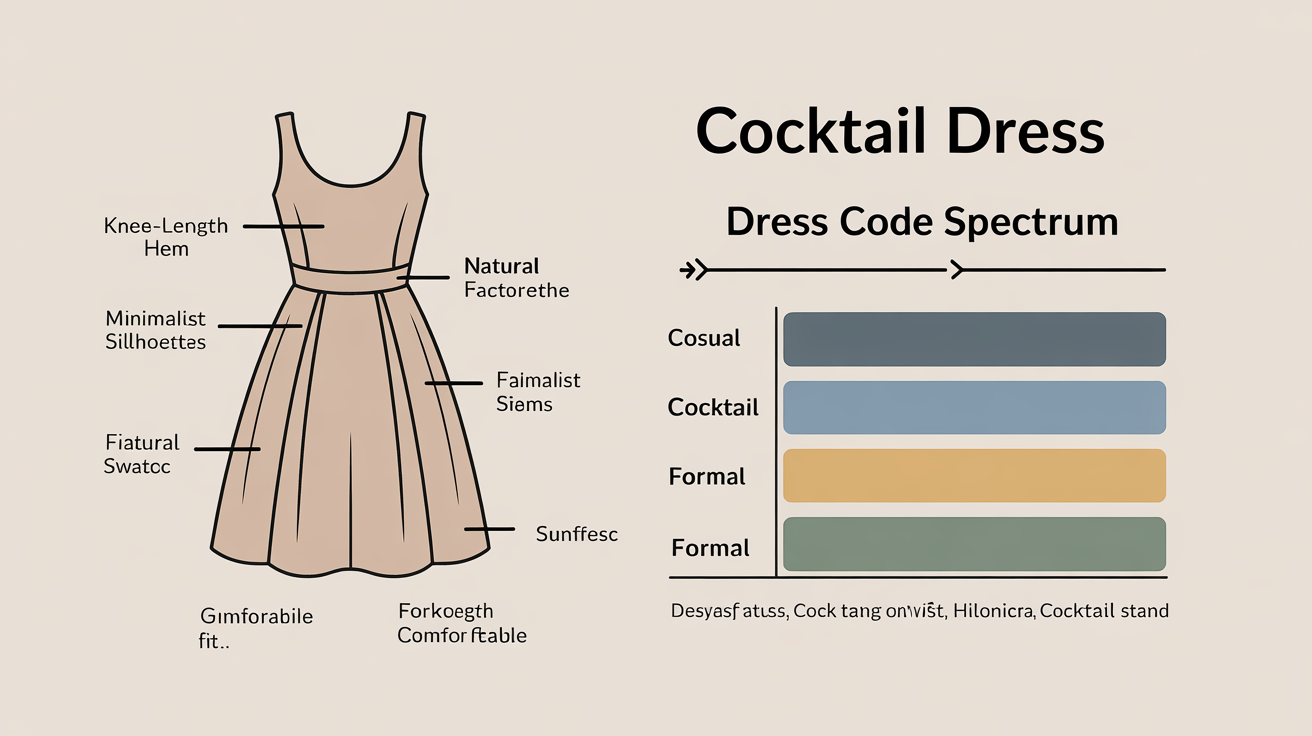
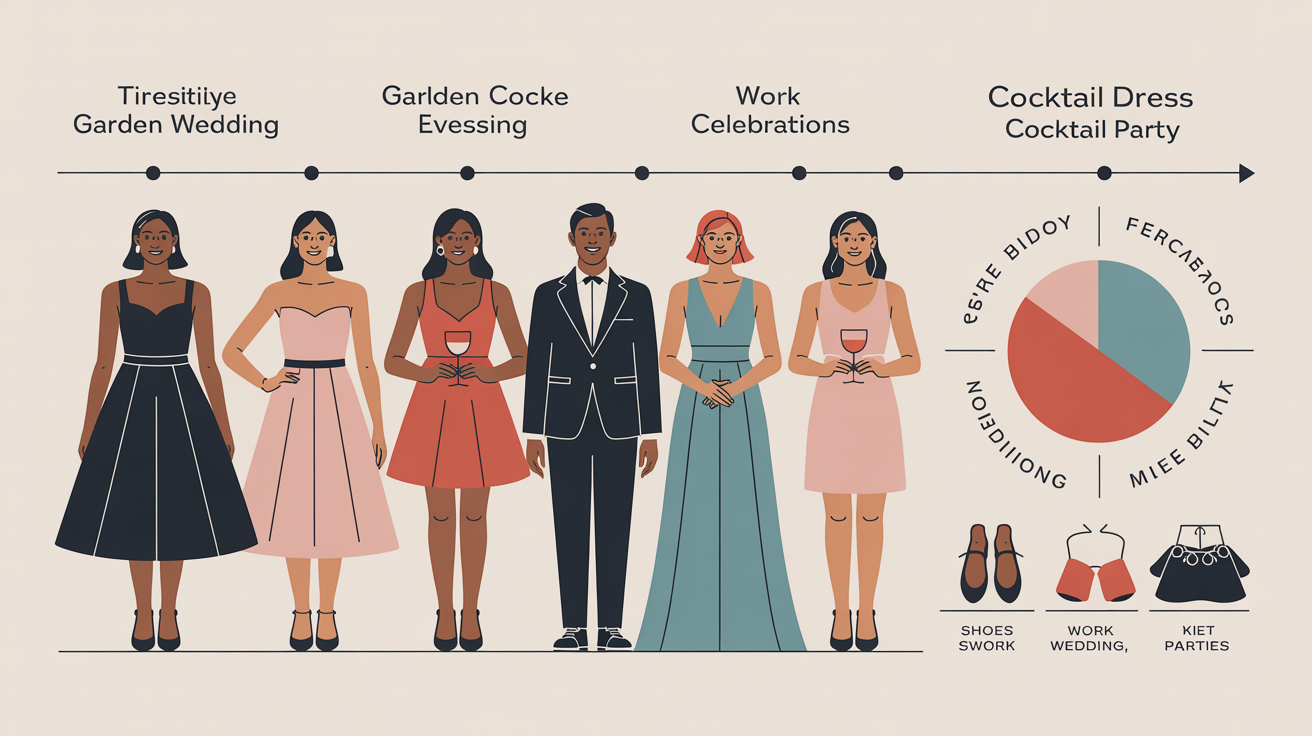
A cocktail dress is a semi-formal dress with a hemline at or just below the knee. It sits between casual daywear and a full-length evening gown. You’ll see these dresses at weddings, holiday gatherings, and any event where “semi-formal” or “cocktail attire” is listed on the invitation.
Dress code confusion causes real headaches - over 60% of online dress returns happen because people misjudge the fit or formality. Too casual? You feel underdressed. Too formal? Out of place. Choosing the wrong fabric leads to discomfort or wasted money on pieces that won’t last. Paying attention to both the event’s expectations and the quality of a dress helps you avoid last-minute stress and regrettable purchases.
Here, you’ll see how to spot a true cocktail dress, why fabric and construction matter as much as silhouette, and what makes a dress feel both special and practical. We cover fit, comfort, and versatility, so you can find a piece that works for nearly any invitation and holds up over time. For details on quality and longevity, see our guide to choosing quality materials. For real-life outfit ideas, browse special occasion dressing.
How Cocktail Dress Codes Work: Hems, Fabrics, and Fit Essentials
Cocktail attire is all about balance. It sits between the formality of a gown and the ease of everyday wear. Look for hems near the knee, fabrics with gentle drape, and a shape that feels both polished and relaxed. Small details - fabric, fit, finish - quietly show care for the occasion without going overboard.
Decoding the Invitation: Reading Dress Codes and Regional Nuance
Most “cocktail” dress codes point to a hem right at or just below the knee. Sometimes you’ll see terms like “semi-formal,” “festive,” or “dressy casual.” These still suggest a mid-length dress. Regional habits shape the feel - some places expect crisp tailoring, others welcome softer lines or lighter fabrics. If you’re uncertain, check photos from recent local events or ask the host. That’s how you avoid showing up underdressed, or in a sweeping gown at a backyard gathering.
Finding the Right Hem: Where the Skirt Should Fall
The hem defines cocktail style. A proper cocktail dress ends just above, at, or just below the knee - never reaching the floor, never too short. The length allows you to move, sit, and celebrate with ease. Unsure? Try the sit-and-stand test. Sit down: your thighs stay covered, no uncomfortable ride-up. Stand and check - does the hem graze your kneecap or just beneath? That’s the mark of a true cocktail dress.
The Fabric Test: What to Look for (and Avoid)
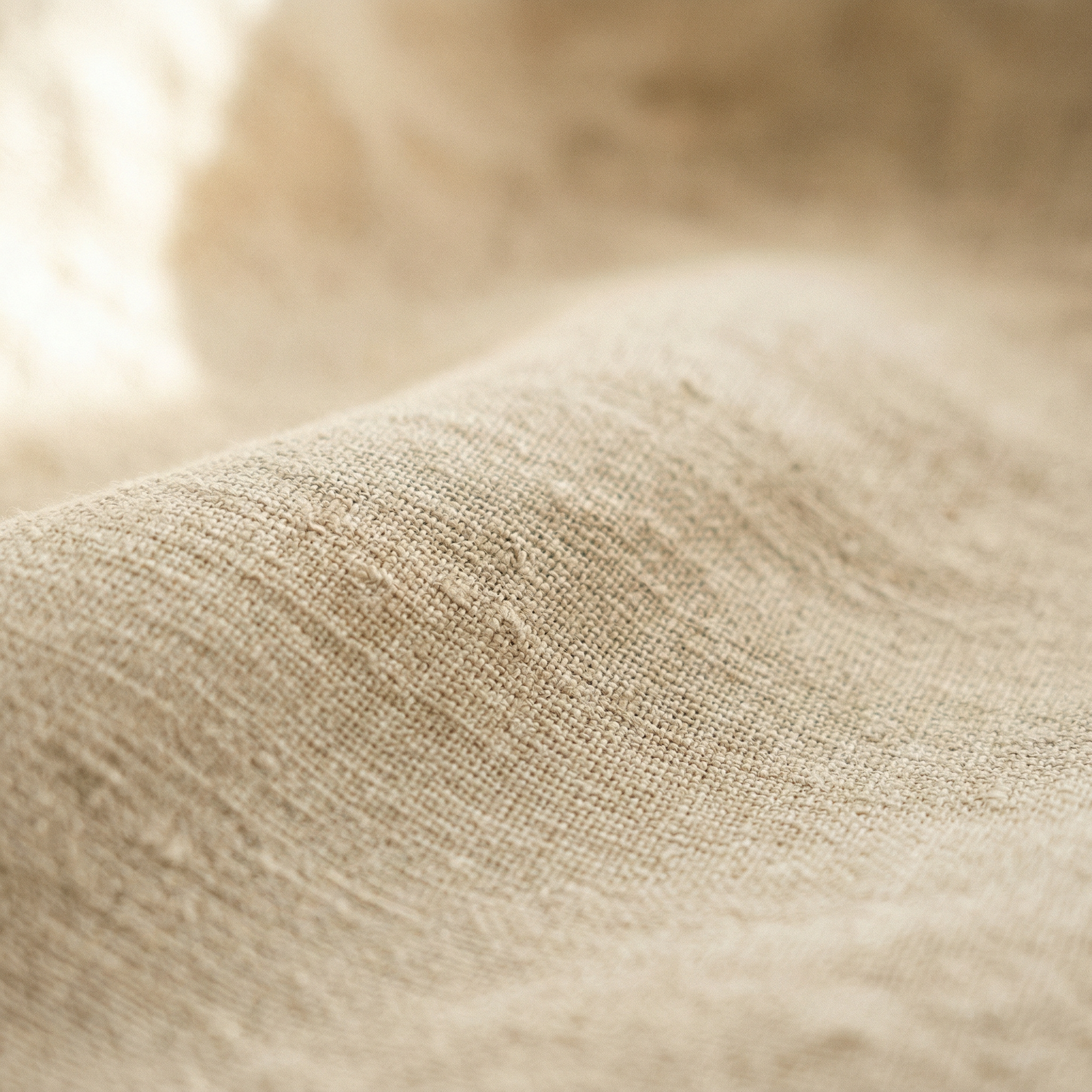
Fabric shapes how a dress feels and looks. Midweight, natural fibers - organic linen, cotton, crepe, or blends with a soft drape - work best for cocktail events. They breathe. They keep their line. They won’t cling or go sheer under bright lights. Anything that feels plasticky, scratchy, or see-through in strong light - set aside. Organic cotton and linen offer a dry, smooth hand and soften with each wear. Compare fabric qualities in our guide to eight fabric types.
Construction matters, too. Turn the dress inside out. Seams should be flat and finished. Zippers glide. If you feel a lining, it should feel cool and never sticky. These touches hint at lasting quality and comfort.
Fit and Movement: Avoiding Online Shopping Pitfalls
Fit isn’t just about numbers. The dress should skim your shape - not squeeze, pull, or gap. When shopping online, check the garment’s measurements for bust, waist, and hip. Use a flexible tape measure and compare to your current size, not old labels. Movement matters as much as stillness.
- Do the “ceremony test”: sit, stand, walk, lift your arms. Nothing should pinch, ride up, or restrict you.
- Inspect seams and zippers - both should lie flat and work smoothly.
- Look for gentle shape, like a soft waist or subtle darts. Avoid stiff boning or very tight fits.
If you’re adjusting straps or tugging sleeves within minutes, it only gets worse over time. The right fit lets you focus on your family, not your outfit.
Subtle Details: Why Sleeve Style and Lining Matter
Quiet details matter. Sleeve shape changes comfort - slim or three-quarter sleeves cover without bulk, while sleeveless styles move with you in warm weather. Lining prevents transparency and helps the dress drape smoothly. A lined dress covers without adding weight or heat. These features, though small, shape how confident and at ease you feel all night.
Learning to read these signals - a knee-length hem, a breathable fabric, a gentle silhouette - protects you from dresses that only look good in photos. For more common pitfalls, see our advice on cocktail dress missteps as you shop.
The Real Benefits of Choosing the Right Cocktail Dress: Confidence, Versatility, and Longevity
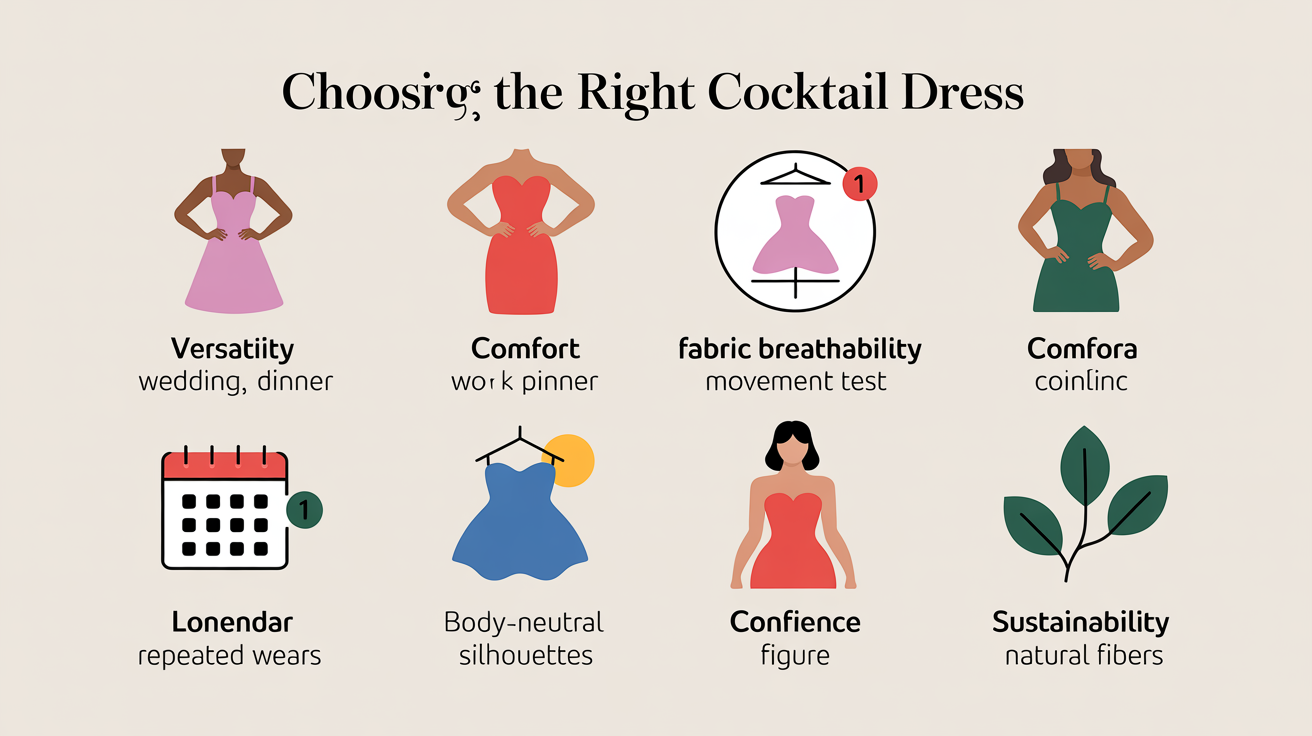
The right cocktail dress changes how you move through each moment. Comfort, adaptability, and lasting quality shape not only how you look, but how you feel - again and again. Choose natural fibers and gentle tailoring, and you’ll reach for that piece far more often. Less waste. Less stress. More ease for you and your family.
Confidence That Comes From Comfort and Fit
Comfort shapes confidence. Dresses that drape softly, made from breathable fabrics, let you move, kneel, or dance without a second thought. For mothers or plus-size bridesmaids, finding a dress that simply fits can feel like a small relief. Classic wrap and A-line styles support your shape without pinching or pulling. No constant adjusting. No avoiding the camera.
One plus-size mother shared her experience: “I could kneel to comfort my youngest, get up easily, and still feel beautiful in family pictures.” That kind of comfort means you participate fully, not shrink back. Wearability surveys confirm it: well-fitted natural-fiber dresses get worn two to three times as often as stiff, synthetic ones. You step into each event with quiet assurance, not hesitation.
Versatility for Life’s Many Occasions
A versatile cocktail dress isn’t just for one evening. Gentle silhouettes in neutral shades adapt to whatever your day needs. Mothers have layered a linen shift over a soft tee for playground mornings, then added earrings and slides for dinner. Bridesmaids often find that a structure-forgiving midi works at formal events and casual gatherings - sidestepping the “never worn again” fate of trend-driven pieces.
- Natural fibers handle temperature shifts - cool at a summer wedding, cozy under a sweater on cool nights.
- Shapes like wrap, fit-and-flare, or midi shift move easily between work, celebrations, or quiet weekends, multiplying your options.
- Soft belts or adjustable waists let you fine-tune the fit as your body and needs change.
For practical styling ideas, see five cocktail dress shapes that flatter and flex for every occasion.
Longevity and Lower Wardrobe Waste
Longevity starts with quality. Dresses in organic cotton or linen, with simple seams and clean finishes, resist wear and soften over time. In one family, a dress picked for a milestone birthday became the go-to for weddings, graduations, and dinners. One thoughtful choice means fewer impulse buys and less fabric in the landfill.
Natural-fiber, classic-cut dresses cycle back into your closet again and again. Surveys show these pieces are reworn up to three times more than trendy synthetics. For a closer comparison, see how natural fabrics and synthetic materials differ in everyday use.
Quiet Sustainability, Everyday
Choosing well-made, lasting dresses sets a gentle example. Each piece that outlasts seasons supports a home where comfort and care come first - less clutter, more meaning. These habits ripple outward, softening your impact on the planet and honoring the people who craft your clothing.
The right cocktail dress isn’t about chasing trends. It’s slow fashion in practice: fewer purchases, more wear, less fuss. You’re free to focus on what matters - your family, your memories, your sense of calm.
Myths About Cocktail Dresses: What Most People Get Wrong (And How to Get It Right)
The most damaging misconception? That a floor-length gown fits right in at a cocktail event. It doesn’t. Cocktail attire means knee-length or midi - never full-length. This isn’t just tradition. It’s about being able to stand, sit, and move without fabric dragging behind you.
Myth: Floor-Length Gowns Are Cocktail-Appropriate
Some assume a long dress is always the safest, most formal pick for events. This mistake grows out of confusing cocktail with black-tie codes, where gowns are standard. Social media and fast fashion push this confusion, season after season.
Long dresses don’t belong at cocktail events. Style guides and etiquette experts agree: cocktail dress codes call for knee or mid-calf hems, not sweeping skirts. Full-length gowns at these gatherings come off as fussy - overdressed, even. Guests often feel uncomfortable and research shows these dresses rarely get worn again. For a closer look at dress codes and how to choose a flattering silhouette, see how to find the most flattering cocktail dress for your body and event.
Myth: Trendy Details and Flashy Fabrics Are Always Best
Sequins, bold cutouts, or high slits get a lot of attention on party feeds. The idea spreads - if it’s dramatic, it must be perfect for a special night.
Trends fade fast. Flashy details look exciting, but they’re the first to feel dated and often don’t fit the mood of every venue. Cocktail etiquette still favors quiet elegance - think minimal jewelry, classic shapes, and breathable, high-quality fabrics. Research and shopper experience point to a pattern: dresses picked for their timeless shape and comfort get worn two to three times more often than trend-driven styles. Choosing classic fabrics and shapes means less regret and a more intentional wardrobe. For more on how fabric choices affect comfort and value, see common fabric shopping mistakes that waste your money.
Myth: Comfort Is Optional - Looking “Put Together” Matters Most
Many grow up hearing that style comes before comfort, especially if you want to look polished or youthful. Fast fashion brands and peer pressure push “power heels” and stiff, synthetic fabrics.
Misery ruins a dress. Studies show discomfort distracts, lowers enjoyment, and chips away at confidence - especially for plus-size and older guests. Natural fibers that breathe, fits that flex, and shoes you can stand in turn a dress into something you love. Body-inclusive shapes and gentle tailoring work for every age and body.
Myth: The Same Dress Flatters Everyone - Fit Is an Afterthought
Under time pressure, it’s easy to believe one “great dress” works for anybody. Standard sizing and narrow advertising fuel this idea.
Fit always comes first. Real-world feedback shows the most-loved cocktail dresses honor your shape and needs - maybe with an adjustable waist, forgiving seams, or sleeves that let you move. When you put fit and fabric before trends, your dress becomes part of your story - not just another piece lost in the closet.
Key Takeaway: Cocktail Dress Codes Are About Intentional Choices, Not Rigid Rules
A cocktail dress sits quietly between everyday wear and evening formality - usually knee to midi length, thoughtfully crafted, and meant to suit both the event and your comfort. The key: a good cocktail dress isn’t about strict rules or trends. It’s about choosing with care. Fabric, fit, and how easily you can move matter as much as the look. You want to celebrate, not fuss.
The dress you reach for again and again? That’s your best cocktail dress. It feels right on your body and honors the occasion. Natural fibers, clean shapes, and quality finishing all help your dress adapt to many gatherings and last beyond passing trends. This approach centers your comfort and style, building a wardrobe that feels honest and quietly confident.
If you want more, see how thoughtful choices support your values and shape your event experience in our guide to special occasion dressing. Let the memory last longer than the dress code.

In our new handmade Desert Stripe pattern, this very special organic linen dress features billowy, cropped sleeves, and...
$59.00
Learn MoreFrequently Asked Questions
What shoes and heel height work best with a cocktail dress for both style and all-night comfort?
Pick block heels, wedges, kitten heels or low-to-mid pumps/heeled sandals in neutral or metallic tones, aiming for about 1.5–3 inches (4–7.5 cm) of heel for the best balance of style and all-night comfort. Look for ankle straps or wider heels and cushioned insoles for stability; choose wedges or dressy flats for outdoor/grass venues and avoid very thin stilettos above ~3.5 inches for prolonged standing.
Are jumpsuits or tailored separates considered acceptable alternatives to a traditional cocktail dress?
Yes - a tailored jumpsuit or elegant separates are widely accepted alternatives to a traditional cocktail dress for cocktail or semi-formal events. Choose sleek silhouettes and dressy fabrics (crepe, satin, etc.), keep hemlines modest (midi/tea lengths rather than super-short), and avoid casual materials like denim, chino or jersey. When unsure, confirm with the host since some events or venues (and city styles) can skew more formal or have specific requests (e.g., all black).
How should I accessorize a cocktail dress differently for a wedding versus a corporate cocktail party?
For a wedding, favor seasonal or romantic touches - think sage green or dusty blue, a dressier clutch, a shawl for cooler weather, and either delicate jewelry or one statement piece (avoid white/ivory to not compete with the bride). For a corporate cocktail party, keep accessories conservative and streamlined: neutral colors (navy/black), simple studs or a single-strand pearl, a slim bracelet or watch, classic leather pumps and a structured clutch or small tote. In short: weddings allow playful or dressy embellishment and softer colors; corporate events require minimal, polished pieces and no oversized sparkle or visible logos.
What outerwear (coats, wraps, shawls) pairs best with a cocktail dress in cooler weather or outdoor venues?
A fitted cropped blazer or bolero, a tailored wool or cashmere coat (or trench for transitional weather), and a silk or cashmere pashmina/shawl pair best with a cocktail dress in cooler/outdoor settings. Choose streamlined, shoulder‑correct fits and hems that don’t cut the dress’s silhouette (avoid boxy coats); neutral or deep tones like navy, charcoal, oat or sage photograph well and won’t upstage the bride. For very cold venues opt for a tailored puffer or long wool wrap for warmth, and use a lightweight silk or wool shawl for easy layering during the ceremony and dancing.
Can I find flattering maternity cocktail dresses - what cuts and fabrics are most comfortable and polished?
Yes - seek empire‑waist, A‑line, wrap or softly draped sheath silhouettes (tea‑length or midi are especially polished) because they skim or define above the bump and balance proportions. Choose flowy, non‑cling fabrics like chiffon, satin or silk blends for an elegant drape, or stable stretch fabrics (jersey, ponte, crepe) for comfort and light support; ruching, draping and V‑necks help conceal the midsection. Finish with darker solids or small prints and an optional tailored jacket for extra polish and arm/midsection coverage.
Is it appropriate to wear a strapless or deep‑plunge cocktail dress to a wedding or family event, and how do I judge what’s tasteful?
Yes - but only if it suits the couple’s dress code, venue and cultural expectations: daytime or conservative family ceremonies generally call for more coverage, while cocktail/evening or warm outdoor weddings more often accept strapless or a moderate plunge. Judge tastefulness by prioritizing good tailoring (shoulders and hem), proper support and proportion (not excessive cleavage), quality breathable fabric, avoiding bridal tones (white/ivory/champagne), and following the invitation or checking with the host when unsure.
How should I choose color or pattern for a cocktail dress based on season, time of day, or cultural considerations?
Pick colors by season/time: dusty pastels (sage, almond, dusty rose) suit spring/daytime and garden parties; soft neutrals (oat, sand, warm ivory) work year‑round and photograph well; deep navy, charcoal or jewel tones (emerald, burgundy) are best for evening or formal events; chocolate/mocha and warm earth tones read especially rich in autumn and candlelit settings. Use small, delicate prints or light florals for daytime/outdoor events and solids or subtle textures for evening to keep the look polished - avoid loud neons or busy patterns at formal affairs. Respect cultural etiquette: don’t wear white/ivory to Western weddings, check whether red or gold are reserved for the bride in some South Asian ceremonies, and be aware white or black can signal mourning in other cultures; always view swatches in natural light and choose shades that flatter your undertone.
Luis Gamardo built a modern job search framework for a broken recruiting system. His approach teaches how to send cold emails at every stage of the hiring process, so qualified candidates can get noticed by the right people at the right time - including before jobs are even posted.